
Bauhinia galpinii
Bauhinia galpinii
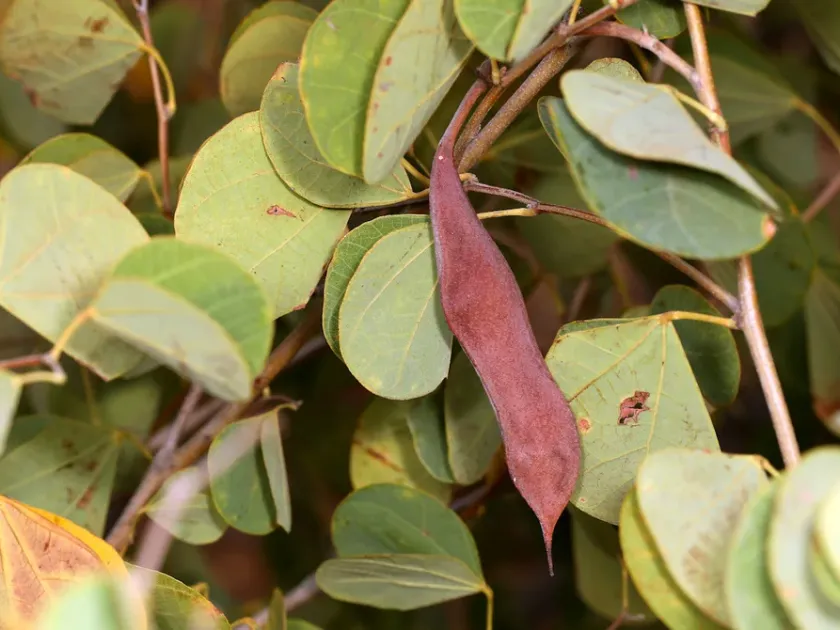
Description
Sowing dates
Bauhinia galpinii, commonly known as the Red Bauhinia, is a member of the Fabaceae family. Propagation is primarily achieved through seeds, which should be soaked in warm water or lightly scarified to improve germination rates.
The seeds are planted in a well-draining, sterile potting mix at a depth of about 1 cm. Keeping the substrate at a constant temperature of 22–25°C ensures optimal emergence within a few weeks.
Once seedlings have developed their first true leaves, they should be transplanted into individual pots. Providing bright, indirect light is crucial during the early stages of growth to prevent etiolation.
Cuttings represent another propagation method, often used to replicate the desirable flowering traits of a specific parent plant. Semi-hardwood cuttings should be treated with rooting hormone and placed in a high-humidity environment.
Young plants need to be acclimatized to direct sunlight gradually before being moved to their final outdoor position. Proper space allocation between plants is necessary to ensure long-term health and development.
Growing requirements
This species thrives in warm climates and requires a sunny location to produce its characteristic brick-red blossoms. While it is somewhat drought-tolerant once established, supplemental irrigation is beneficial during dry spells.
Soil quality is paramount; Bauhinia galpinii requires soil with excellent drainage to prevent root rot. It performs best in slightly acidic to neutral soil conditions, avoiding heavy, waterlogged clay.
Regular pruning is essential to maintain a neat habit, as the plant can grow into a tangled, sprawling shrub if left unattended. Pruning should be performed immediately after the main flowering flush.
Fertilization with a balanced, slow-release fertilizer can support vigorous growth in the spring. However, an excess of nitrogen should be avoided as it promotes excessive vegetative growth at the expense of floral display.
In cooler climates, this plant must be grown in containers and brought indoors before the first frost. Ensuring good air circulation and bright light during the winter is vital for the plant's survival.
Main diseases and pests
Spider mites are the most common pest, especially in hot and dry environments. They often congregate on the undersides of leaves, causing yellowing and webbing that weaken the shrub over time.
Mealybugs can also infest the stems and leaf axils, sucking nutrients from the plant. Manual removal or the application of insecticidal soaps is usually effective for managing minor infestations.
Root rot is the primary disease threat, typically caused by poor drainage or overwatering. Once the root system is damaged, recovery becomes difficult, emphasizing the need for a well-structured soil profile.
Fungal leaf spots can occur when humidity levels are high and foliage remains wet for extended periods. Improving airflow and avoiding overhead irrigation are key preventive strategies for any grower.
Regular monitoring for pests and diseases, combined with sanitation, helps keep the plant healthy. By addressing environmental stressors promptly, one can ensure that the Bauhinia galpinii remains a centerpiece of the landscape.