
Bauhinia championii
Bauhinia championii
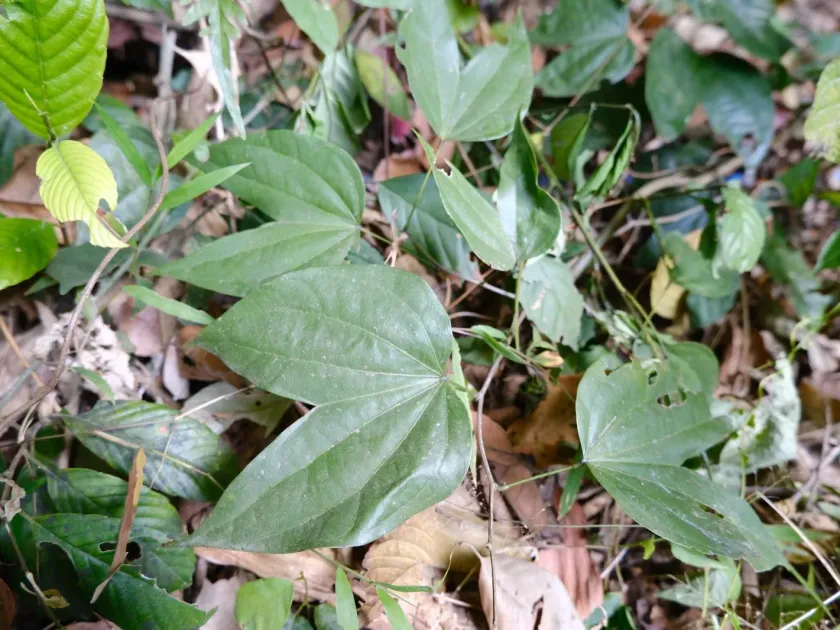
Description
Growing requirements
Bauhinia championii is a woody climbing vine that belongs to the legume family, Fabaceae. Native to Southern China, it thrives in subtropical forest ecosystems where humidity is consistently high.
This species requires a warm climate without severe frost to flourish, typically favoring areas with well-drained, nutrient-rich soils. It exhibits significant adaptability to various soil pH levels, though slightly acidic substrates are often preferred.
Agronomic cultivation focuses on providing structural support, as the plant is a vigorous climber. Proper trellising or natural supports are essential to ensure adequate exposure to sunlight, which stimulates the growth of biomass.
Water management is critical during the establishment phase, ensuring the soil remains moist but not waterlogged. In later stages, the plant displays a moderate level of drought tolerance once its root system is deeply established.
Fertilization regimes generally include organic compost or balanced NPK blends during the spring growing season to boost both vegetative growth and the development of secondary metabolites, which are vital for its medicinal utility.
Main diseases and pests
The primary threats to Bauhinia championii include various fungal pathogens that flourish in high-humidity environments. Leaf spot and root rot are the most common issues reported in dense plantings.
Pest pressure from aphids and spider mites can be observed, particularly when plants are grown in confined or less-than-optimal ventilated spaces. These pests can significantly reduce photosynthetic capacity.
Integrated Pest Management (IPM) strategies are recommended, focusing on maintaining plant health through proper spacing and regular sanitation to minimize the risk of infestation.
Fungal control involves the application of appropriate systemic fungicides, while keeping the cultivation site free of debris helps prevent the overwintering of pathogens.
Effective monitoring and early detection of symptoms remain the best defense, ensuring the crop remains healthy throughout the entire production cycle.