
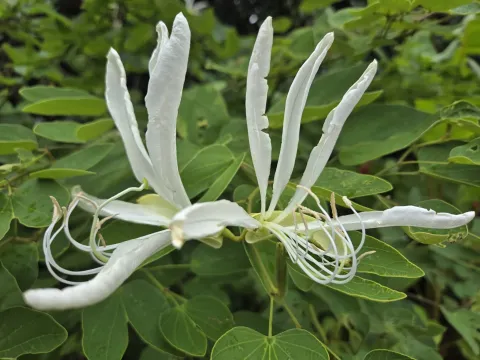
Bauhinia forficata
Bauhinia forficata
Propagation of Bauhinia forficata is primarily performed through seeds, which require mechanical scarification to ensure uniform and rapid germination.
What the section contains
Bauhinia forficata
The seeds should be sown in specialized seedbeds with a well-draining substrate mix, keeping moisture levels constant until the seedlings emerge.
Optimal timing for planting typically aligns with the onset of the warm season to allow the root system to establish before colder weather patterns occur.
Seedlings should be kept in protected nurseries for the first few months of their development to ensure they reach a sufficient size before field transplanting.
Spacing requirements are essential to manage the canopy growth of the trees, ensuring adequate sunlight exposure for each individual plant.
Bauhinia forficata, a member of the Fabaceae family, is a versatile tropical tree well-regarded for its adaptive capabilities in diverse soil types.
The species thrives in sunny, well-lit environments and shows a preference for deep, fertile soils that provide sufficient nutrient reserves.
While the tree is known for its ability to withstand temporary dry spells, consistent hydration is critical during the peak growing season to ensure leaf production.
Soil pH levels should ideally be maintained in the neutral to slightly acidic range to optimize the plant's nutrient uptake efficiency.
As a legume, it forms beneficial symbiotic relationships with nitrogen-fixing bacteria, which significantly contributes to the improvement of soil fertility over time.
The primary agricultural output of this crop is its leaves, which are extensively utilized in the pharmaceutical industry for their medicinal properties.
Harvesting strategies involve careful manual collection of leaves, ensuring that the structural integrity and chemical content of the foliage are maintained.
Yield stability is heavily dependent on regular pruning practices, which encourage the development of new, healthy foliage and maintain tree vitality.
Post-harvest handling requires precise temperature-controlled drying methods to prevent the degradation of heat-sensitive active compounds.
Productivity increases significantly once the plants have matured, usually starting from the fourth or fifth year after the initial establishment in the field.
Root rot remains the most significant threat to the health of the tree, usually resulting from over-irrigation or inadequate drainage infrastructure.
Common insect pests include sap-sucking insects like aphids, which can be managed through regular monitoring and integrated pest management practices.
Fungal leaf spot diseases may appear during periods of high humidity, necessitating the maintenance of open canopy structures to facilitate airflow.
Damaged tissue caused by mechanical stress or environmental factors can serve as an entry point for opportunistic pathogens, leading to stem decay.
Implementing a strict maintenance schedule, including regular inspection and sanitation, is vital to prevent the spread of diseases within the plantation.