
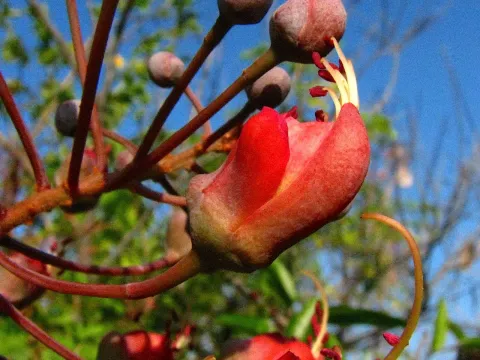
Mezoneuron
Mezoneuron
Mezoneuron is a genus of flowering plants within the legume family, Fabaceae. These plants are typically characterized as woody climbers or shrubs, widely distributed across various tropical regions, including parts of Africa, Asia, and Australia.
What the section contains


Mezoneuron
The plant thrives in warm, humid climates and is intolerant of frost. It requires a stable tropical environment with consistent rainfall patterns throughout the growing season to reach its full development potential.
Soil requirements for Mezoneuron include well-drained, nutrient-rich earth. It prefers slightly acidic to neutral soil pH levels. Proper drainage is essential to prevent root asphyxiation, which can occur in stagnant water conditions.
As a climbing plant, Mezoneuron requires structural support to facilitate proper growth. In agricultural settings, trellises or natural forest edges are utilized to accommodate its climbing habit and optimize foliage exposure to sunlight.
The cultural utility of Mezoneuron includes its traditional applications in herbal medicine and the extraction of specific chemical compounds. Its robust growth habit makes it an interesting subject for agroforestry practices in appropriate tropical zones.
Fungal pathogens remain the primary threat to Mezoneuron cultivation, especially in humid conditions. Leaf spot diseases are common, often leading to reduced photosynthetic capacity and overall plant vigor if left untreated.
Insect pests, such as lepidopteran larvae and sap-sucking insects, present a persistent challenge. These pests can cause significant damage to young shoots, leading to stunted growth or structural deformity of the stems.
Root-knot nematodes represent a hidden threat to the longevity of the plant. These soil-borne parasites disrupt nutrient uptake, causing the plant to become susceptible to secondary infections and environmental stress.
Bacterial wilt is another potential risk in areas with high pest pressure. Once the vascular system of the plant is compromised, recovery is difficult, making strict sanitation and vector control essential.
Environmental stress factors, including extreme heat or prolonged drought, can exacerbate the impact of pests. Implementing a balanced irrigation system and nutrient management program is critical for maintaining plant immunity.