
Microberlinia
Microberlinia
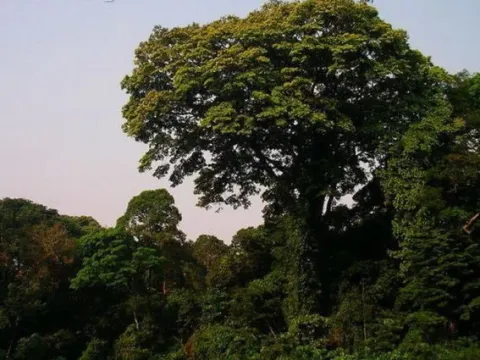
Microberlinia is a genus of trees belonging to the Fabaceae family. These large woody plants are primarily found in the tropical rainforests of Central and West Africa, specifically in regions such as Gabon, Cameroon, and the Republic of Congo.
What the section contains

Microberlinia
The species requires a strictly tropical environment to thrive, characterized by high year-round temperatures and consistent rainfall. It is highly adapted to the humid conditions of the rainforest understory and requires fertile, well-drained soil to develop fully.
Botanically, Microberlinia species are noted for their large stature and pinnate leaves. Their growth habit is adapted to compete for light within the dense tropical canopy, making them an essential component of the forest structure.
The cultural and economic value of Microberlinia is primarily attributed to its wood, commercially referred to as Zebrano. This timber is highly prized in high-end cabinetry and luxury design due to its distinctive dark, striped patterns and high density.
Due to the commercial demand for Zebrano, Microberlinia populations have faced significant pressure. Sustainable forestry practices are essential to ensure the longevity of these trees while supporting the local economies that rely on this valuable resource.
The most pressing threat to Microberlinia is habitat loss driven by large-scale logging and land clearing for agriculture. As an slow-growing species, it struggles to recover from significant disturbance in its natural ecosystem.
Pathogenic fungi and various tropical insects pose a threat, particularly in fragmented forests where the microclimate has been altered. These factors can weaken young saplings and prevent the successful regeneration of the population.
Post-harvest threats include damage by wood-boring beetles, which can destroy the quality of the timber if it is not processed and dried correctly. Immediate anti-pest measures are crucial for wood preservation.
Climate change poses a long-term risk, as altered precipitation patterns and increased frequency of dry spells directly impact the health and reproductive success of the trees in their native environments.
Conservation efforts are currently focused on monitoring tree health, implementing harvest quotas, and restoring degraded forest patches to ensure the resilience of the species against environmental stressors.