
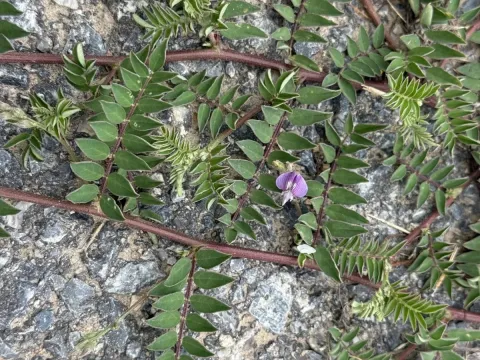
Flat-stemmed milkvetch
Astragalus complanatus
Flat-stemmed milkvetch (Astragalus complanatus) is a perennial herbaceous plant belonging to the Fabaceae family. As a leguminous crop, it is known for its resilience and potential in pharmaceutical applications.
What the section contains
Flat-stemmed milkvetch
The optimal sowing time is during early spring when soil temperatures reach 10–12 degrees Celsius. This timing ensures that seedlings have sufficient time to establish a robust root system before the onset of high summer temperatures.
Seeds should be sown at a depth of 1.5 to 2 centimeters. Due to the hard seed coat, pre-sowing scarification is highly recommended to improve water absorption and germination uniformity across the field.
For commercial cultivation, row spacing should be maintained between 45 and 60 centimeters. This layout facilitates mechanical weeding and ensures that each plant receives adequate access to nutrients and light.
After seeding, the soil should be lightly rolled to ensure optimal contact between the seeds and the substrate. Early weed control is crucial, as the plant exhibits a slow growth rate during its first year of life.
This species thrives in sunny, open locations with well-drained soil. It is notably drought-tolerant, making it suitable for regions that experience intermittent dry spells throughout the growing season.
The plant prefers light sandy or loamy soils with a neutral to slightly alkaline pH. It cannot tolerate waterlogged conditions or high groundwater levels, which can lead to root rot and poor development.
Fertilization should be managed carefully. As a legume, the plant fixes atmospheric nitrogen, reducing the need for synthetic nitrogen fertilizers. However, supplemental phosphorus and potassium are beneficial for root health.
Astragalus complanatus is adapted to temperate climate zones and possesses good winter hardiness. It can withstand significant temperature fluctuations, provided the soil drainage remains adequate during the thaw period.
Regular cultivation of the inter-row space is essential to promote soil aeration and prevent compaction. Maintaining good soil structure is one of the most effective ways to ensure healthy plant development.
Fungal diseases, particularly powdery mildew, pose a significant risk when humidity levels remain high for extended periods. These infections can rapidly spread and diminish the biomass quality.
Common pests include pea leaf weevils and aphids, which feed on the foliage and younger stems. Regular monitoring during the active growth phase is required to prevent widespread damage to the canopy.
A sound crop rotation strategy is the best defense against persistent soil-borne pathogens. It is recommended to avoid planting this crop on the same plot for at least four to five years.
If economic thresholds for pests are met, systemic insecticides may be applied. Integrated pest management (IPM) practices, such as encouraging natural predators, should be prioritized whenever possible.
Seed health is paramount for establishing a productive stand. Using certified, disinfected seeds helps minimize the introduction of pathogens into the field and increases overall germination rates.
Harvesting for medicinal use is typically conducted during the full flowering stage, as this is when the concentration of secondary metabolites and active compounds in the plant tissues is at its peak.
The biomass should be mowed at a height of approximately 10–12 centimeters above the ground. This practice helps preserve the lower nodes and encourages faster regrowth of the plant canopy for future yields.
Post-harvest, the raw material must be dried in shaded, well-ventilated areas or in specialized drying kilns. To preserve the active ingredients, the drying temperature should not exceed 45 degrees Celsius.
For seed production, the harvest should occur when the pods turn brown and dry. Careful timing is critical to prevent the pods from shattering and losing seeds on the field floor.
Once harvested, seeds must be cleaned of debris and stored at a low moisture content (around 10–12%). Proper storage in cool, dry conditions prevents deterioration and maintains high viability for the next season.