
Flax broom
Genista linifolia
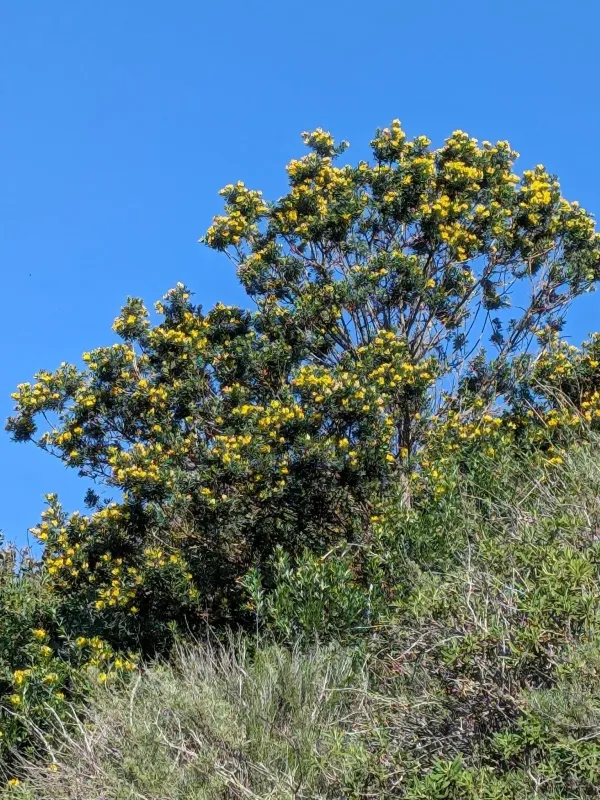
Description
Sowing dates
Sowing of Flax broom is usually scheduled for the spring season when soil temperatures reach 12–15 degrees Celsius. It is crucial to ensure high-quality stratification of seeds before sowing, as their hard seed coat requires pre-treatment to improve germination rates.
Seeds should be sown at a depth of no more than 1–2 centimeters into a well-prepared and loosened substrate. The optimal sowing pattern depends on the intended use of the crop, although a row method with spacing up to 50 cm is most commonly applied.
For commercial plantings, it is critical to ensure sufficient soil moisture during the first weeks after germination. Seedlings emerge gradually, so it is necessary to monitor the cleanliness of the field from weeds carefully during the initial growth stages.
The plant is a member of the Legume family, which determines its ability to fix nitrogen in the soil using symbiotic bacteria. The use of specialized inoculants during sowing can significantly increase the development rate of the root system.
After the appearance of 3–4 true leaves, thinning is performed if the planting density exceeds established standards. This allows plants sufficient space for shrub development and prevents excessive competition for nutrients.
Growing requirements
Flax broom prefers well-lit areas as it is a sun-loving plant. In shaded conditions, stem development slows down, leading to a loss of ornamental appeal and reduced vitality of the bush.
The crop has moderate soil requirements, preferring light, sandy, or stony substrates with excellent drainage. Waterlogging is detrimental to the plant and often leads to root collar rot.
The plant demonstrates high resistance to drought periods due to its deep root system, making it promising for use in regions with hot climates. It tolerates poor soil well and does not require heavy mineral fertilization.
Climatic preferences of the species are concentrated in Mediterranean zones, where it is adapted to mild winters and dry summers. In conditions of severe frost, additional cover is required, as the plant poorly tolerates prolonged soil freezing.
The optimal soil pH level for this crop varies from slightly acidic to neutral. Before establishing plantations, it is recommended to analyze soil composition to correct microelement balance.
Yield
The agricultural use of Flax broom is most often aimed at fixing erosion-prone soils and creating hedges rather than harvesting commercial green mass. Its ability to hold the topsoil is highly valued in land reclamation.
As a honey-producing crop, Flax broom provides bees with abundant nectar during its late spring flowering period. Beekeepers note high insect activity in areas with significant stands of this plant.
In phytotherapy and landscape design, the use of this broom is limited by its ability to spread rapidly. With proper care, the shrub can form a dense cover that prevents soil washing on slopes.
The plant is also considered a potential source of biomass for mulching, as its shredded branches enrich the soil with nitrogen. However, it should be kept in mind that many parts of the plant contain alkaloids, which limits its use in animal feed.
Harvesting of seed material is conducted in late summer when the pods turn brown and start drying. Manual or mechanized harvesting requires caution to prevent premature pod dehiscence.
Main diseases and pests
The main danger to Flax broom comes from fungal diseases that develop under high air and soil humidity conditions. Powdery mildew can affect leaves, significantly reducing the plant's photosynthetic activity.
Pests, such as spider mites, may attack the crop under extreme drought conditions. If the first signs of infection are detected, prophylactic treatment with insecticides or acaricides is recommended.
Root rots are a serious threat when selecting a planting site with poor drainage. Prevention involves following correct irrigation practices and regular soil loosening around the shrub.
Aphids can colonize young shoots during active vegetation, sucking sap and suppressing the overall development of the plant. Pest population control is carried out using biological or chemical plant protection agents.
Larvae of certain weevil species can damage fruits and seeds, reducing the yield of high-quality planting material. Monitoring the state of plantations during pod maturation allows for timely measures to protect the harvest.