
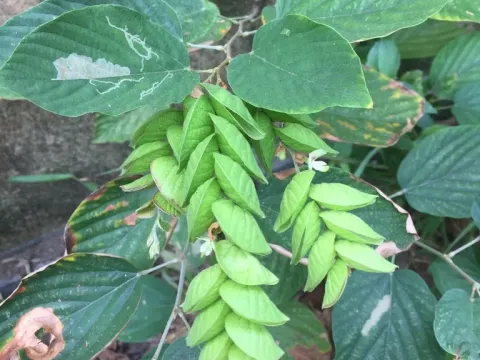
Flemingia
Flemingia
Flemingia is a perennial plant, and seeding is typically carried out at the beginning of the rainy season to ensure optimal soil moisture levels. Seeds often require pre-sowing treatment, such as scarification or soaking, to accelerate germination and ensure uniform emergence.
What the section contains
 Flemingia chappar
Flemingia faginea
Flemingia faginea
Flemingia chappar
Flemingia chappar
Flemingia faginea
Flemingia faginea
 Flemingia grahamiana
Flemingia grahamiana
Flemingia grahamiana
 Flemingia involucrata
Flemingia involucrata
Flemingia involucrata
 Flemingia lineata
Flemingia lineata
Flemingia lineata
 Flemingia macrophylla
Flemingia macrophylla
Flemingia macrophylla
 Flemingia paniculata
Flemingia paniculata
Flemingia paniculata
 Flemingia stricta
Flemingia stricta
Flemingia stricta
 Flemingia strobilifera
Flemingia strobilifera
Flemingia strobilifera
 Flemingia vestita
Flemingia vestita
Flemingia vestita
Flemingia
When used as a hedge or cover crop, seeds are sown in prepared furrows with row spacing ranging from 50 to 100 cm. A high planting density at the initial stages helps effectively suppress weed growth and establish a strong canopy.
In nurseries intended for transplanting, seeds are sown in containers or nursery bags. This method allows for careful management of root development, ensuring high survival rates when seedlings are moved to their permanent locations in the field.
Sowing dates must be adjusted based on local temperature conditions, as the crop prefers stable warmth. Proper timing ensures that the plant develops a robust root system before the onset of the dry season, increasing its resilience.
Propagation can be achieved through seeds or stem cuttings, which allows for the rapid multiplication of valuable cultivars. Cuttings often provide a faster establishment phase compared to seeds, making them a preferred choice in some intensive farming systems.
Flemingia is a typical member of the legume family, well-adapted to tropical and subtropical climates. It thrives in regions with sufficient rainfall, though it exhibits significant resilience to short periods of drought once established.
The plant grows well in various soil types, including acidic and degraded soils. Through its symbiotic relationship with nitrogen-fixing bacteria, it effectively enriches the soil with nitrogen, improving overall fertility and structural stability.
The crop requires good sunlight for optimal growth but is capable of tolerating partial shade within agroforestry systems. It competes successfully with weeds due to its rapid biomass accumulation and the development of a dense ground cover.
Moisture requirements depend on the growth stage; during active development, Flemingia needs regular hydration. However, the plant is sensitive to waterlogging, necessitating well-drained soil to prevent root rot and other moisture-related issues.
Optimal temperatures for growth range between +20 and +30 degrees Celsius. As the plant is sensitive to frost, its geographical range is limited to climate zones that do not experience freezing temperatures during the winter months.
The biomass yield of Flemingia is one of its primary agricultural advantages. With regular pruning, the plant can produce multiple harvests per year, making it an essential resource for mulching and fodder production.
Dry mass output can reach significant levels, providing farmers with high-quality organic material for mulching in coffee, tea, and other plantations. This practice helps reduce reliance on chemical fertilizers and improves long-term soil health.
Biological productivity is heavily influenced by the frequency of pruning: moderate trimming stimulates lateral branch growth and increases canopy density. Consistent management practices allow for sustained high yields over many years.
Seed yield varies depending on the age of the plant and sunlight exposure. For seed production, specific sections of the field are left unpruned to allow the plants to complete their reproductive cycle naturally.
The overall economic value of the crop is derived from the combination of reduced fertilizer costs and improved soil physical properties, which indirectly boosts the yield of the main crops grown in association with Flemingia.
Flemingia possesses a high level of natural resistance to most pests, thanks to the specific phytochemical composition of its leaves and stems. Nevertheless, in monoculture settings, occasional outbreaks of leaf-eating insects may occur.
Root rot is the most serious threat, particularly in poorly drained or heavy clay soils. Crop rotation and proper field drainage are the primary methods recommended for preventing these soil-borne fungal diseases.
In some regions, the plant may be affected by fungal leaf spots, which typically appear under conditions of high humidity. Regular pruning helps improve canopy ventilation, thereby reducing the risk of pathogen development.
Nematodes can affect the root systems of young plants shortly after transplanting. Utilizing resistant varieties and incorporating organic matter into the soil are effective strategies for enhancing the immunity of seedlings against such parasites.
- Leaf-eating insects
- Root rot pathogens
- Fungal leaf spot diseases
- Soil-borne nematodes
Harvesting the green mass of Flemingia is performed through regular pruning of the shoots. The first cut is usually made 6 to 9 months after sowing, once the plant has reached sufficient vegetative maturity and strength.
Subsequent harvest cycles are scheduled according to the demand for mulch or fodder, typically occurring at 2 to 3-month intervals. This management style keeps the shrubs healthy and encourages continuous production of fresh foliage.
When harvesting for seeds, pods are collected manually once they turn dark but before they naturally shatter. Timely harvesting is crucial to minimize yield losses caused by seeds dropping onto the soil surface.
The cut biomass can be applied directly to the field as mulch or incorporated into the soil during inter-row cultivation. If intended for livestock feed, it is recommended to wilt the foliage before consumption.
Pruning tools must be kept sharp to avoid damaging the main branches of the plant. A clean cut promotes faster tissue healing and stimulates more vigorous development of new shoots in subsequent growth cycles.