
Euphorbia unispina
Euphorbia unispina
Description
Growing requirements
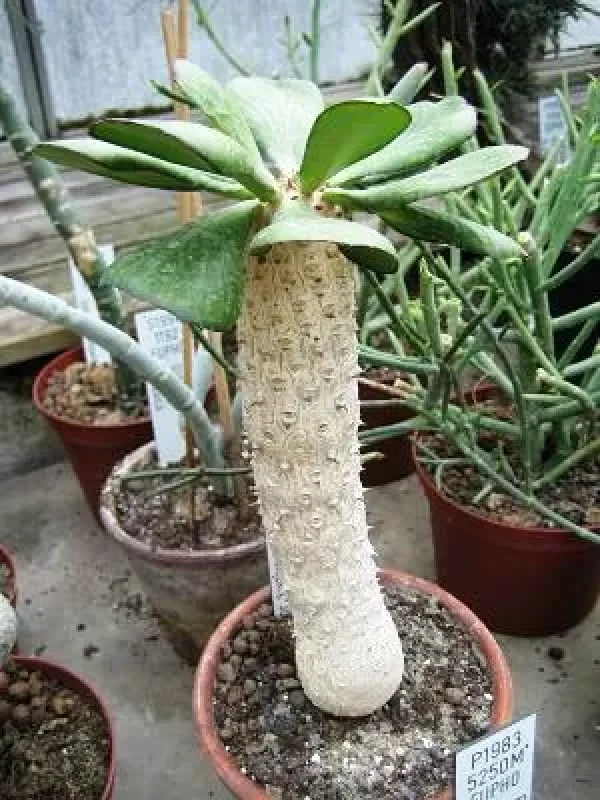
Euphorbia unispina is a distinctive succulent species belonging to the Euphorbiaceae family, native to tropical regions of Africa. This plant is well-adapted to arid environments, characterized by its succulent, columnar stems that serve as water reservoirs.
The botanical structure of this species includes singular, prominent thorns along its ribs, a morphological adaptation that protects the plant in its natural habitat. Its growth habit is typically shrubby, and it can reach significant sizes when environmental conditions are optimal.
The climate requirements for this species are centered on high heat and ample sunlight. It is intolerant to frost, making it suitable only for regions with stable, warm temperatures throughout the entire calendar year.
Regarding soil conditions, Euphorbia unispina requires a highly porous and well-draining substrate. Mixtures consisting primarily of mineral components such as gravel, coarse sand, and pumice are ideal to prevent moisture retention near the root collar.
In terms of agricultural and practical usage, this species is primarily cultivated for ornamental purposes in xeriscaping projects. Historically, its caustic latex has been handled with extreme care by local populations, requiring significant expertise to utilize its biological properties safely.
Main diseases and pests
The most severe threat to Euphorbia unispina is root rot caused by poor soil drainage or over-irrigation. Excessive moisture in the root zone creates an environment conducive to the rapid spread of pathogenic fungi.
Pests such as mealybugs and spider mites frequently target the succulent tissues of the plant. These pests thrive in dry conditions with poor air circulation, often colonizing the crevices between the ribs of the stem.
Physical injuries to the stem can lead to severe sap loss and secondary infections. It is crucial to handle the plant with specialized equipment to prevent accidental bruising of the tissue, which would compromise the plant's structural integrity.
To maintain plant health, it is essential to implement strict quarantine measures for new specimens. Preventing the introduction of common greenhouse pests into the cultivation area is more efficient than late-stage therapeutic treatments.
Regular maintenance should include careful monitoring of the stem base. Any discoloration or softening of the tissue should be addressed immediately to prevent the spread of localized infection to the rest of the plant.