
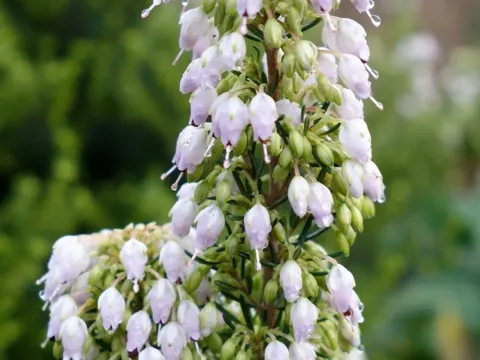
Erica oldenburgensis
Erica oldenburgensis
Erica oldenburgensis is a decorative hybrid shrub belonging to the Ericaceae family. Known for its compact habit and vibrant flowering, it has become a popular choice for rock gardens, heath-themed landscapes, and container gardening.
What the section contains
Erica oldenburgensis
This species thrives in open, sunny locations with moderate protection from cold, drying winds. While it enjoys ample light, it can tolerate partial shade in regions with extremely intense summer heat to prevent foliage scorching.
The fundamental requirement for successful cultivation is an acidic soil environment (pH 4.0–5.5). The soil structure should be porous, well-draining, and rich in organic matter, typically achieved by incorporating peat or pine bark into the planting hole.
Regular maintenance is essential, including pruning immediately after the bloom cycle to encourage denser branching and future flower production. Mulching the base of the plant is vital to maintain moisture and acidity while protecting roots from extreme temperature fluctuations.
Watering must be performed using soft, lime-free water. Erica plants are highly intolerant of calcium, and using hard tap water will rapidly increase soil pH, leading to nutrient lock-out and decline in plant health.
Phytophthora root rot is the most serious disease affecting Erica oldenburgensis, usually triggered by poor drainage or overwatering. Maintaining a well-drained substrate and avoiding waterlogged conditions are the primary methods of prevention.
Pests such as spider mites can infest the foliage, particularly during hot and dry spells. Using insecticidal soaps or horticultural oils is effective if the infestation is detected early through periodic inspection of the leaf underside.
Chlorosis is a common physiological issue caused by an increase in soil pH or iron deficiency. Leaves will turn yellow while veins remain green; this is managed by using specialized acidifying fertilizers or chelates.
Fungal leaf spots can occur when air circulation is poor, particularly in humid or crowded garden settings. Pruning to ensure proper spacing between shrubs significantly reduces the risk of such infections.
During the winter, improper protection or excessive moisture around the crown can lead to winter kill. Ensuring that the soil does not freeze while saturated with water is a critical step in preserving the plant for the following season.