
Erica placentiflora
Erica placentiflora
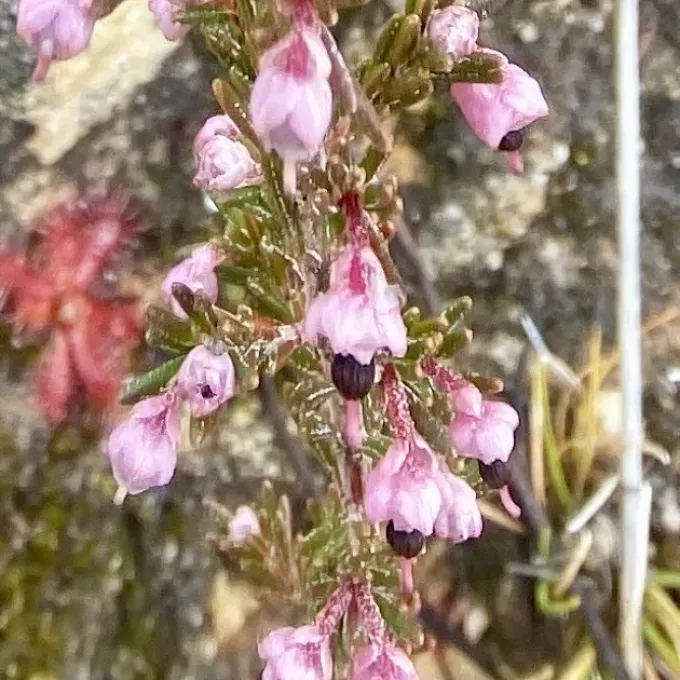
Description
Growing requirements
Erica placentiflora is a distinct member of the Ericaceae family, primarily cultivated as a high-value ornamental crop in specialized horticultural sectors. Originally from the mountainous regions of South Africa, this species is highly adapted to specific environmental niches, particularly acidic, low-nutrient soils.
Successful cultivation requires a growth medium that mimics its natural habitat, emphasizing high organic matter content and a low pH balance. A substrate composed of sphagnum peat and specialized drainage components is essential, as the fine root structure of this plant cannot tolerate waterlogged soil conditions.
Climate requirements for this crop focus on moderate temperatures and avoidance of extreme heat or sudden frost. In many regions, this plant is best grown in controlled greenhouse conditions or protected outdoor sites, where light intensity can be regulated to prevent scorching of the evergreen foliage.
Agrotechnical practices involve careful moisture management, ensuring the substrate remains consistently damp but not saturated. Nutrition should be provided through specialized fertilizers formulated for acidophilic plants, as standard agricultural fertilizers often contain components that can alter soil chemistry to the detriment of Erica species.
The economic value of Erica placentiflora lies in its unique inflorescences, making it a sought-after commodity for landscape design and container gardening. Commercial growers focus on propagating high-quality seedlings that can establish effectively in peat-based media, ensuring vibrant floral output.
Main diseases and pests
Root rot remains the most significant threat to the health of Erica placentiflora, typically triggered by overwatering and poor soil aeration. Pathogenic fungi thrive in saturated substrates, quickly destroying the root system and leading to irreversible wilting of the plant's vegetative parts.
Spider mites are common pests that affect the culture, especially when grown in indoor environments with limited airflow and low relative humidity. Effective management involves maintaining optimal humidity levels and applying biological or chemical acaricides as soon as the first signs of infestation are detected.
Powdery mildew can become a major concern if greenhouse ventilation is inadequate. Regular monitoring of air movement and spacing of containers is crucial to prevent the spread of fungal spores. If an outbreak occurs, specialized fungicides should be applied, paying close attention to dosage to avoid chemical stress.
Chlorosis is a common physiological condition caused by alkaline water or high salt accumulation in the substrate. While not a disease in the biological sense, it significantly compromises the plant's vigor, making it more susceptible to environmental stressors and opportunistic secondary pathogens.
Integrated Pest Management (IPM) strategies, including strict quarantine of new stock and regular sterilization of gardening tools, are recommended to maintain a healthy nursery population. Healthy, stress-free plants grown in proper conditions demonstrate high resistance to local pests and diseases.