
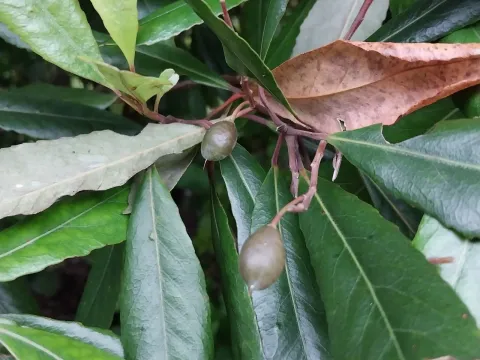
Elaeocarpus dentatus
Elaeocarpus dentatus
Elaeocarpus dentatus, commonly known as the hinau tree, represents a slow-growing member of the Elaeocarpaceae family. The propagation process primarily involves the collection of mature fruits, from which seeds are extracted, cleaned, and subjected to a stratification process that can last several months to break dormancy.
What the section contains
Elaeocarpus dentatus
Nursery propagation is frequently achieved through semi-hardwood cuttings collected during the active growth phase. To ensure rooting, it is recommended to use specialized rooting hormones and maintain high humidity levels within a controlled environment, such as a mist propagation chamber.
The substrate for young seedlings must be well-drained and slightly acidic, mimicking the natural forest floor conditions of its native New Zealand habitat. Overcrowding in seed trays must be avoided to prevent fungal outbreaks and to encourage the development of a robust root system.
Transplanting into the field should occur in spring to allow the plant to establish its root system before the onset of extreme weather. Space allocation is vital, as the tree eventually develops a dense, broad crown that requires adequate ventilation.
Initial protection for young saplings against intense sunlight and drying winds is crucial for successful establishment. As the plant matures, it demonstrates increased resilience and adaptability to its local environmental conditions.
This species thrives in temperate climates characterized by moderate rainfall and stable humidity. It does not perform well in areas with severe, prolonged frost or extreme temperature fluctuations, which can damage its evergreen foliage.
The ideal soil profile for Elaeocarpus dentatus consists of deep, fertile, and well-drained loam. While the tree can tolerate a variety of soil types, it performs best in soils rich in organic matter with a pH level between 5.5 and 6.5.
Adequate water management is essential for the health of the hinau tree. In regions with irregular precipitation, irrigation systems are necessary to ensure the soil remains moist but not waterlogged, as poor drainage frequently causes root decay.
Sunlight requirements are moderate; while the tree can tolerate partial shade, it requires a significant amount of diffuse light to maintain optimal photosynthetic rates. Excessive direct exposure in hot climates can scorch the leaves and stunt overall growth.
Maintaining a mulch layer around the base of the tree is a highly recommended practice to conserve soil moisture and regulate soil temperature. This cultural practice also mimics the natural cycle of organic decay found in forest ecosystems.
The primary threats to Elaeocarpus dentatus include soil-borne pathogens such as Phytophthora, which thrive in waterlogged environments. Preventing soil compaction and ensuring excellent drainage are the most effective strategies to mitigate this risk.
Pest infestations, particularly scale insects and mealybugs, can damage the foliage and sap-sucking insects can introduce secondary viral or fungal infections. Regular monitoring and the application of horticultural oils or organic soap sprays can effectively manage these populations.
In certain regions, browsing animals pose a significant risk to young trees, necessitating the use of protective netting or fencing. Physical barriers remain the most reliable method to prevent bark stripping and terminal bud damage.
Leaf spot diseases can occur during prolonged periods of high humidity and poor air circulation. Proper pruning and spacing are essential to increase airflow through the canopy, thereby creating an unfavorable environment for fungal spores.
Overall plant vigor is the best defense against pests and diseases. Providing balanced nutrient applications and ensuring the tree is not under drought stress will significantly improve its ability to resist biological threats and thrive in a managed landscape.