
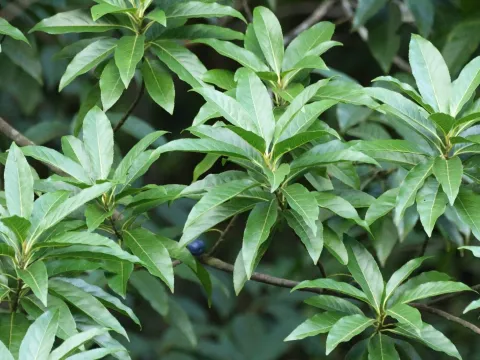
Elaeocarpus angustifolius
Elaeocarpus angustifolius
Elaeocarpus angustifolius, widely known as the Blue Marble Tree, belongs to the Elaeocarpaceae family. This tropical evergreen species is native to rainforests, characterized by its tall stature and lanceolate leaves that form a dense, lush canopy.
What the section contains
Elaeocarpus angustifolius
The tree thrives in warm, humid tropical environments where temperatures remain relatively stable throughout the year. It requires a location protected from cold winds and frost, as it is extremely sensitive to low-temperature drops which can lead to foliage damage.
Regarding soil, the species performs best in deep, fertile, and well-draining loams. An acidic to neutral soil pH is ideal for nutrient uptake. It is imperative to ensure that the site does not have a high water table, as stagnant moisture causes rapid root decay.
Management of light exposure is critical; young trees require filtered sunlight to mimic the forest understory, while mature specimens can tolerate full sun provided that high humidity levels are maintained through regular precipitation or supplemental irrigation.
Maintenance involves routine weeding around the base and the application of organic mulch to keep the root system cool and retain soil moisture. Regular monitoring of the foliage helps detect early signs of stress or nutrient deficiencies that might hinder development.
The primary economic product of this tree is its stony endocarp, commonly referred to as Rudraksha. These are highly prized for their unique, naturally sculpted surfaces, which are utilized in jewelry and spiritual applications worldwide.
Yield capacity improves significantly as the tree matures, with high-quality fruits typically harvested once they ripen to a distinct blue color. Skilled harvesters ensure that the fruits are gathered without bruising the delicate inner seeds.
The post-harvest process is labor-intensive, involving the removal of the fleshy pericarp, followed by thorough cleaning and drying. Grading the seeds based on the number of faces and surface texture is a crucial step in preparing the product for the global market.
Successful production relies on orchard spacing and tree health. High-yield orchards are often situated in areas with consistent moisture, which promotes vigorous growth and more abundant fruit sets during the peak season.
While the wood of the tree is of secondary value, some timber operations utilize the trunk for high-quality woodcrafts. However, the cultivation of Elaeocarpus angustifolius remains primarily driven by the demand for its distinctive, seed-bearing fruits.
Fungal leaf spot diseases represent a major threat, particularly in orchards with insufficient air circulation. Preventive measures include thinning the canopy and applying prophylactic fungicides to maintain the health of the photosynthetic leaf area.
Insect pests, including scale insects and mites, frequently target the succulent growth of young trees. Integrated Pest Management (IPM) strategies, which prioritize natural predators and biological controls, are strongly recommended for sustained crop health.
Root rot, often caused by waterlogging, is a frequent cause of decline. Agronomists must ensure that orchard drainage systems are functioning perfectly, especially after periods of intense seasonal rainfall common in tropical zones.
Environmental stress, such as extreme heat during dry spells, can lead to premature fruit drop. Maintaining adequate soil moisture levels is the most effective method to mitigate this risk and ensure consistent harvest volumes throughout the season.
Strict biosecurity protocols for nursery stock prevent the spread of soil-borne pathogens. By utilizing certified disease-free seedlings, growers can establish resilient orchards that provide high returns for several decades.