
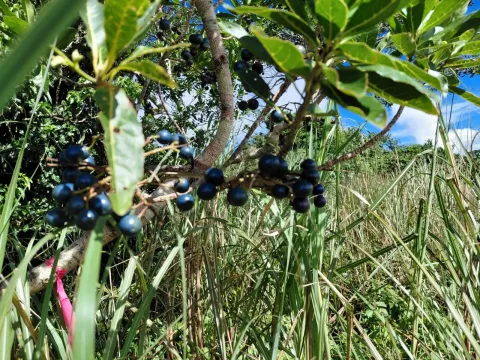
Elaeocarpus joga
Elaeocarpus joga
Elaeocarpus joga is a notable evergreen tree species belonging to the Elaeocarpaceae family. It is natively found in tropical environments, where it thrives under conditions of high humidity, consistent moisture, and warm temperatures throughout the year.
What the section contains
Elaeocarpus joga
Successful cultivation of this species requires well-drained, fertile soil. The tree is sensitive to waterlogging, making proper site selection and drainage management critical for ensuring deep root development and overall plant vigor in agricultural settings.
The plant demonstrates a strong preference for stable tropical climates with minimal temperature fluctuations. Exposure to extreme cold or prolonged dry seasons can significantly hinder development, requiring supplemental irrigation and protective measures in less-than-ideal growing regions.
Regarding light requirements, Elaeocarpus joga benefits from abundant sunshine for photosynthesis. While mature trees are robust, young seedlings benefit from partial shade during the peak of the day to avoid leaf scorch and maintain optimal physiological functions.
Routine agronomic practices for this crop include the regular application of balanced organic fertilizers to support consistent vegetative growth. Managing the soil surface with mulch helps stabilize ground moisture levels and suppress weeds, creating a favorable rhizosphere environment.
The primary economic focus for Elaeocarpus joga involves the production of its fruits, which have significant value in local culinary applications, as well as the sustainable harvesting of its durable timber for various construction and furniture purposes.
Harvesting fruit requires careful manual handling to ensure that mature specimens are collected without causing structural damage to the tree branches. Using appropriate harvesting tools prevents unnecessary stress on the tree, facilitating a more sustainable production cycle.
Post-harvest processing involves sorting fruit based on maturity and physical integrity. Proper grading is essential for maximizing market quality and reducing waste during the post-harvest storage and distribution phases in tropical agricultural value chains.
The wood of Elaeocarpus joga is valued for its density and aesthetic qualities. When managing timber stands, foresters prioritize selective harvesting methods to ensure the long-term health of the ecosystem and the continuous yield of wood products.
Propagation is primarily achieved through high-quality seeds. Successful seedling establishment in nursery settings requires strictly controlled humidity and temperature to overcome dormancy and ensure a high percentage of germination for subsequent orchard expansion.