
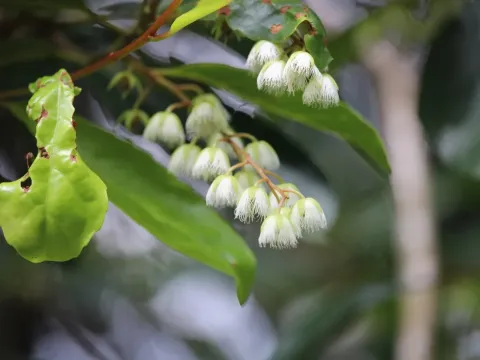
Ceylon olive
Elaeocarpus serratus
The Ceylon olive (Elaeocarpus serratus) is a perennial fruit-bearing tree belonging to the Elaeocarpaceae family. It is recognized for its glossy, serrated leaves and small, drupe-like fruits that resemble traditional olives in appearance but differ significantly in taste and texture.
What the section contains
Ceylon olive
The plant originates from the tropical regions of Southeast Asia, thriving in areas with high annual rainfall and consistent temperatures. It serves as an important component of tropical home gardens and small-scale agroforestry systems in its native habitats.
To ensure healthy growth, the tree requires well-drained, fertile soil rich in organic matter. While it prefers moist conditions, it is sensitive to waterlogged soils, which can lead to root system decay and significantly reduce plant vigor during the rainy season.
Agricultural management of Elaeocarpus serratus involves consistent monitoring of soil nutrition and the application of balanced fertilizers during the peak growing season. Pruning is essential to manage the canopy size and encourage better light penetration to the inner branches.
The fruit is widely consumed in local cuisines, particularly in Sri Lanka and India. It is frequently pickled or used in curries, adding a distinct acidic profile to the dishes. Beyond its culinary value, the tree is also appreciated for its aesthetic landscape appeal.
The main pathological threats include various fungal infections, such as leaf spot diseases, which often occur during prolonged periods of high humidity. Regular canopy thinning is highly recommended to improve airflow and reduce fungal spore accumulation on the foliage.
Pest pressure often comes from leaf-eating insects and boring beetles that can weaken the structural integrity of the tree. Effective management involves biological controls and, when necessary, targeted application of soft-chemical insecticides to protect the fruit quality.