
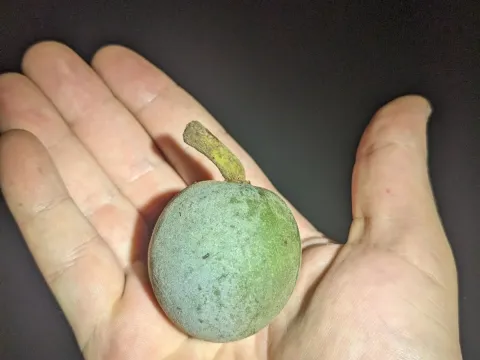
Bancroft's quandong
Elaeocarpus bancroftii
Bancroft's quandong (Elaeocarpus bancroftii) is an evergreen tree species belonging to the Elaeocarpaceae family. Native to the rainforests of North Queensland, Australia, this tree is a significant component of tropical forest ecosystems.
What the section contains
Bancroft's quandong
The climate requirements for this culture are strictly tropical. It thrives in high-temperature environments with significant annual rainfall. Exposure to frost or prolonged cold snaps can be fatal to the tree, restricting its cultivation to warm, coastal, or humid regions.
Soil quality is paramount for the health of Elaeocarpus bancroftii. It requires deep, well-draining, and nutrient-rich soils that mimic the forest floor composition. A slightly acidic to neutral pH level is ideal for nutrient absorption and optimal root expansion.
Agrotechnical practices involve maintaining adequate moisture levels throughout the growing season. Since the tree originates from rainforest environments, it is susceptible to drought stress, which can lead to premature fruit drop and reduced growth rates.
In addition to watering, mulching around the base of the tree is highly recommended to suppress weeds and maintain stable soil temperatures. This helps prevent rapid drying of the topsoil, which is particularly beneficial during the early stages of tree development.
The fruit of the Bancroft's quandong is a drupe containing a hard, rough-textured nut. The edible kernel inside is the primary product of interest for agricultural production, known for its distinct flavor and nutritional profile.
Harvesting typically occurs when the fruits ripen and begin to fall naturally from the tree. In managed groves, collectors gather the fallen fruits regularly to prevent degradation from the damp tropical forest environment, which can induce fungal issues.
Post-harvest processing involves removing the fleshy outer layer to access the seed. This is followed by drying the nuts under controlled conditions to lower moisture content, which is essential for ensuring long-term storage and preventing rot.
The primary economic use of this crop is in the specialty food market, where the nuts are prized as a sustainable tropical snack. Their high oil content makes them a valuable ingredient for culinary applications and health-conscious food products.
Sustainability in harvesting is a growing focus, as the demand for non-timber forest products increases. Farmers are encouraged to employ techniques that preserve the health of the parent trees while maximizing yield through selective harvesting and tree care.