
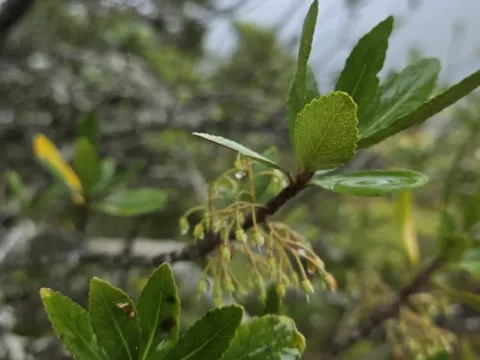
Elaeocarpus
Elaeocarpus L.
Elaeocarpus is a genus of evergreen trees and shrubs belonging to the Elaeocarpaceae family. Naturally, these plants are widely distributed across the tropical and subtropical regions of Asia, Australia, and the Pacific islands.
What the section contains


Elaeocarpus
The culture requires a stable warm climate without frost, as it is highly sensitive to cold temperatures. It thrives in regions where tropical or subtropical conditions allow for year-round active vegetative development.
Soil requirements focus on fertility and excellent drainage. The species prefer well-aerated, loamy soils that can retain moisture without becoming waterlogged, as poor drainage is a common cause of root rot.
Light intensity is crucial; while many species prefer bright indirect light, some can tolerate partial shade. Proper sunlight exposure is essential for the development of the characteristic colorful fruits and flowers.
Economically, Elaeocarpus is primarily utilized for its high aesthetic value in landscape architecture and park design. Some species are also valued for their timber, which is light, durable, and finds application in specialized construction.
The main threats to Elaeocarpus health include fungal pathogens that flourish in high-humidity environments with stagnant air. Maintaining proper spacing and pruning significantly reduces the risk of infection.
Pest pressure is frequently exerted by sap-sucking insects like spider mites, scales, and mealybugs. These pests can severely weaken the plant if left unchecked during the rapid growth phase of the tree.
Effective management strategies include integrated pest control, where biological enemies are used alongside eco-friendly chemical applications to keep populations below the economic injury level.
Regular sanitation measures are necessary to prevent the buildup of inoculum, such as removing fallen leaves and pruning dead wood, which helps sustain the overall vigor of the plantation.
Ensuring the plant has adequate nutrition and proper watering schedules is the best defense against both primary diseases and secondary opportunistic infections that strike stressed specimens.