
Crinodendron
Crinodendron Molina
Crinodendron (Crinodendron Molina) is a member of the Elaeocarpaceae family. This species consists of evergreen shrubs or small trees natively found in the moist, cool forest regions of Chile and Argentina.
What the section contains

Crinodendron
The plant thrives in temperate, humid climates and is highly sensitive to extreme heat and prolonged direct sun exposure. In gardening, it is essential to provide a sheltered spot that offers partial shade, especially during the hottest months.
Optimal soil conditions include acidic to neutral, well-draining, and moisture-retentive substrates. Organic matter should be incorporated into the planting pit to ensure healthy development and strong root establishment.
Cultural practices involve maintaining consistent soil moisture, as the plant does not tolerate drought. During winter, it requires protection from severe frost, making container cultivation a common method in regions with harsh climates.
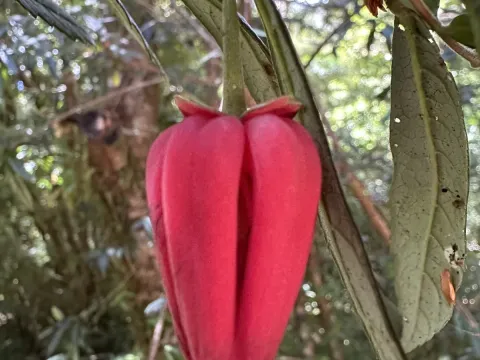
The main use for this culture is ornamental. It is highly valued for its unique, lantern-shaped flowers that bloom in late spring and summer, making it a sought-after specimen for botanical gardens and specialized landscapes.
The primary threats include fungal pathogens that exploit waterlogged soils. Maintaining proper drainage and avoiding stagnant water around the root ball are critical for preventing root rot and related diseases.
Pests such as spider mites and scale insects can be problematic, particularly in greenhouses or protected environments with dry air. Regular monitoring and maintaining high atmospheric humidity are effective strategies for keeping pest populations in check.