
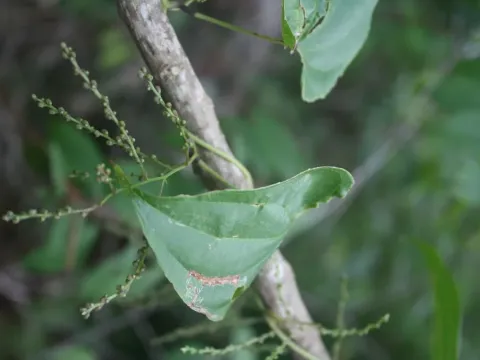
Dioscorea polygonoides
Dioscorea polygonoides
The propagation of Dioscorea polygonoides is primarily achieved through vegetative methods, such as utilizing rhizome segments or small secondary tubers. The ideal planting time coincides with the start of the rainy season, ensuring the soil is warm and sufficiently moist for successful establishment.
What the section contains
Dioscorea polygonoides
In commercial operations, pre-germination in dedicated nurseries is common practice to ensure uniformity across the field. This stage allows agronomists to select the most vigorous plants, ensuring a higher survival rate when transplanted into the main soil beds.
Proper spacing is essential; plants should be set roughly 60 to 90 centimeters apart to allow the climbing vines sufficient room for expansion. Since this crop is a climber, the installation of sturdy trellises or stakes is mandatory to facilitate proper growth and maximize yields.
Seed propagation is rarely utilized in mainstream farming due to the long developmental cycle and the high variability of offspring. When seeds are used for research purposes, they require specific moist substrates and a consistent ambient temperature of around 25 degrees Celsius.
Strict adherence to the planting calendar is vital, as the young plants are highly sensitive to thermal shocks during the early growth stages. Planting into cold soil often leads to stunted growth and increases the risk of tuber decay before the plant can establish a strong root system.
Dioscorea polygonoides belongs to the Dioscoreaceae family and thrives in tropical climates. It requires a stable temperature range between 22 and 30 degrees Celsius to maintain healthy metabolic functions throughout its developmental period.
The soil must be deeply tilled, light in texture, and possess excellent drainage characteristics. Waterlogging is particularly detrimental, as it encourages fungal growth and causes immediate decay of the developing underground tubers.
The plant prefers slightly acidic to neutral soil that is rich in organic matter. Incorporating mature compost or organic manure before planting is a fundamental requirement to ensure sufficient nutrient availability for the growing season.
Regular but moderate irrigation is required throughout the growing season, especially during the phase of rapid vegetative growth. While moisture is crucial, excess water should be managed carefully to avoid creating a breeding ground for soil-borne pathogens.
While the plant benefits from bright indirect light, it shows remarkable adaptability to partial shade. Protection from intense midday sun is advisable in regions with low humidity to prevent leaf scorch and excessive transpiration that could stress the plant.
The yield of Dioscorea polygonoides is highly dependent on the quality of agricultural management and the length of the growing season. Under optimal conditions, the tubers reach harvestable maturity approximately 8 to 10 months after the initial planting.
Implementation of drip irrigation systems has shown significant benefits in improving both the quality of the tubers and the total tonnage per hectare. Balanced fertilization, with an emphasis on potassium, is necessary to support efficient starch accumulation in the root system.
The potential for high yields is tied to the plant's overall health and the size of its photosynthetic canopy. Managing the foliage to ensure it remains free from pests and diseases is a critical factor in ensuring that the plant can effectively transport sugars to the tubers.
Different cultivars may exhibit varying yield potentials, and it is recommended to conduct variety trials to determine which types are best suited for specific local conditions. Proper management of soil aeration through cultivation also helps maximize tuber size and quality.
Yield stability is generally high when proper rotation cycles are maintained. By replenishing soil nutrients and preventing the buildup of host-specific pests, growers can expect consistent output from their Dioscorea plantations over multiple seasons.
Soil-borne pathogens, particularly Fusarium and various types of rots, represent the most significant threat to Dioscorea polygonoides. Effective prevention involves treating the planting material and strictly following crop rotation protocols to break the infection cycle.
Nematodes and various beetle larvae can severely damage the root systems, creating entry points for secondary infections. Integrated pest management strategies, including the use of trap crops and bio-insecticides, are recommended to maintain healthy root health.
Foliar pests, such as aphids and spider mites, are common in dry conditions and can significantly weaken the plant. Regular monitoring and the application of appropriate biological controls are essential to keep these populations below the economic injury level.
Viral diseases, often spread by insect vectors, can cause leaf mosaic and overall plant decline. Since there are no cures for these viral infections, removing affected plants and controlling the insect vector population is the primary defense strategy.
- Root rot triggered by poor drainage.
- Tuber damage caused by soil-dwelling pests.
- Leaf spot diseases reducing photosynthetic capacity.
- Viral mosaic infections affecting vigor.
Harvesting is initiated when the vegetative top of the plant begins to yellow and wither, indicating that the energy storage process in the tubers is complete. This natural senescence is the best indicator for determining the peak harvest window.
The tubers must be excavated with extreme care, as their thin skin is highly susceptible to bruising and mechanical injury. Using specialized digging forks, laborers should work from a safe distance to avoid slicing or damaging the valuable crop.
Once harvested, the tubers should be cleaned of loose soil and cured in a shaded, well-ventilated area for several days. This curing process helps heal small wounds and hardens the skin, significantly improving the shelf life and quality of the produce.
Storage should take place in cool, dark environments with good air circulation. Maintaining stable temperatures around 10 to 12 degrees Celsius helps prevent premature sprouting and limits the risk of dehydration or rotting while in storage.
A portion of the highest-quality tubers is typically reserved as planting material for the next season. By selecting only the most robust and disease-free tubers for propagation, growers can improve the overall quality of their stock over time.