
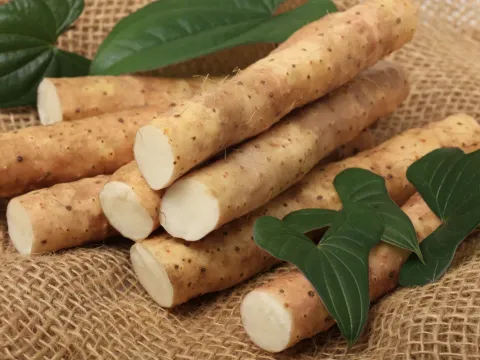
Dioscorea orientalis
Dioscorea orientalis
Sowing Dioscorea orientalis seeds typically occurs in early spring once soil temperatures reach 15–18 degrees Celsius. Seeds require a mandatory stratification period of 30 to 60 days in a cool environment to ensure uniform germination.
What the section contains
Dioscorea orientalis
In professional agriculture, seeds are sown in greenhouse seedbeds or trays to produce robust seedlings before transplanting. This method improves survival rates and ensures a more consistent growth pace compared to direct sowing in open fields.
When sowing directly into the soil, seeds should be placed at a depth of 1.5–2 centimeters. Maintaining high soil moisture levels is critical during the germination phase, as embryos are highly sensitive to drought conditions during this stage.
In regions with milder winters, late autumn sowing is sometimes utilized. This allows the seeds to undergo natural stratification in the soil, potentially leading to earlier and more vigorous growth once spring temperatures arrive.
Vegetative propagation using rootstock divisions is a popular and faster alternative to seeds. Planting root fragments in early spring allows for quicker establishment, as the plant can develop a strong root system before the onset of intense summer heat.
Dioscorea orientalis is a herbaceous perennial vine within the Dioscoreaceae family. Originating from East Asia, the plant thrives in temperate climates that receive regular rainfall throughout the growing season.
The ideal soil for this culture is loose, fertile, and well-draining, such as sandy loam. Poor drainage or waterlogged soil is extremely detrimental, as it significantly increases the risk of tuber rot, which can destroy the entire crop.
An ideal planting site should offer plenty of sunlight while remaining sheltered from strong, drying winds. While the plant can tolerate partial shade, excessive shadowing often limits the accumulation of active phytochemical compounds in the roots.
Because the plant is a vigorous vine, providing sturdy supports or trellises is an essential agronomic requirement. Vertical growth facilitates better airflow through the foliage, which is vital for disease prevention and photosynthetic efficiency.
The culture responds well to organic fertilization, such as well-rotted compost or manure applied before planting. Balanced mineral fertilizers rich in potassium and phosphorus are recommended to stimulate the robust growth of the tuberous roots.
Wireworms and larvae of the cockchafer beetle are primary subterranean pests that feed on the roots of Dioscorea orientalis. Preventive soil treatment or fall plowing is recommended to reduce these pest populations before planting cycles.
Root rot caused by various soil-borne fungi remains the most common threat. Mitigation involves maintaining strict crop rotation and treating seed material with systemic fungicides to prevent early-stage infection and ensure crop health.
Anthracnose, appearing as leaf spotting, can become a significant issue during periods of high humidity. Application of copper-based fungicides or bio-fungicides during the early stages of the disease can effectively contain its spread.
In dry and hot summer months, aphids and spider mites may infest the foliage. Utilizing systemic insecticides or acaricides is effective, but farmers must strictly adhere to post-application waiting periods to ensure safety and quality.
Effective weed control and frequent inter-row cultivation are crucial for plant health. By keeping the surface soil loose, farmers provide oxygen to the root zone and disturb the habitats where many ground-dwelling pests hide and reproduce.
The harvesting of Dioscorea orientalis typically takes place 3 to 4 years after planting, when the roots have reached optimal commercial size. Harvesting begins in the autumn after the above-ground vines have naturally withered and died back.
Harvesting is performed using forks or mechanical diggers, with great care taken to minimize mechanical damage to the tubers. Bruising or cutting the roots during harvest significantly shortens their shelf life and degrades the product's quality.
Immediately after harvest, roots must be cleaned of soil and debris, with damaged parts being removed to prevent rot. Proper sorting ensures that only high-quality roots are processed or prepared for long-term storage.
Drying the harvested material is a critical step, conducted in well-ventilated facilities at temperatures not exceeding 45 degrees Celsius. Proper drying preserves the essential medicinal properties and prevents the onset of mold.
Stored in cool, dark, and dry conditions, the dried roots maintain their medicinal value for extended periods. Professional storage protocols are essential for maintaining the integrity of the phytochemical profile until the product is sold.