
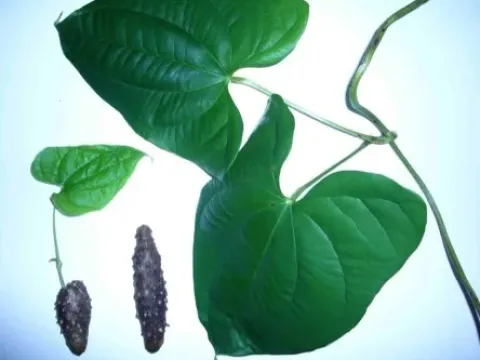
Dioscorea hybrids
Dioscorea hybrids
Planting of Dioscorea hybrids is typically scheduled for the spring season when soil temperatures reach 10-12 degrees Celsius at a depth of ten centimeters.
What the section contains
Dioscorea hybrids
Vegetative propagation using rootstock sections with visible dormant buds is the preferred method for establishing commercial plantations to ensure uniformity.
The optimal planting window is from April to May, allowing the plants to establish a strong root system before the onset of extreme summer heat.
If seeds are used for propagation, they should be started in greenhouses or nurseries to provide the stable conditions necessary for germination and early seedling survival.
It is important to note that the initial growth phase of this crop is quite slow, making early-season planting crucial for long-term productivity.
Dioscorea hybrids belong to the Dioscoreaceae family and are perennial climbing vines valued for their significant content of medicinal saponins.
The crop requires fertile, loose, and well-drained soil with a slightly acidic to neutral pH to support the development of extensive root systems.
Waterlogging must be avoided at all costs, as the roots are highly susceptible to rot, necessitating careful site selection or the installation of artificial drainage systems.
A climate with a long growing season and moderate rainfall is ideal, as this allows the plant to accumulate the necessary compounds within its storage organs.
Support structures like trellises are essential for this climbing crop, as vertical growth maximizes light exposure and improves overall plant vigor.
The yield of Dioscorea hybrids is heavily influenced by the age of the crop and the application of balanced fertilization programs tailored to the growth phase.
Farmers typically harvest the crop after three to four years of growth, as early harvests fail to capture the full economic potential of the root mass.
Under optimal management and intensive farming conditions, a yield of 10 to 15 tons of dry root material per hectare is considered achievable.
Implementing drip irrigation systems is a highly effective way to increase yields by maintaining consistent soil moisture levels during dry spells.
The quality of the harvest is graded based on the concentration of bioactive compounds, which is the primary driver for pharmaceutical demand and pricing.
Fungal pathogens, particularly root rot, pose the greatest threat to Dioscorea plantations, especially in areas with poor drainage or excessive humidity.
Foliar diseases such as leaf spots can diminish the photosynthetic efficiency of the vine, leading to stunted root development and reduced overall health.
Soil-dwelling insects and nematodes can cause significant damage to the rootstock, creating entry points for secondary infections and lowering the market value of the product.
Preventative measures, such as the use of certified healthy planting material and strict crop rotation cycles, are fundamental for long-term farm success.
Weed control and regular inter-row cultivation help maintain a clean field environment, reducing the pressure from pests and soil-borne pathogens.
Harvesting occurs in late autumn once the foliage has turned brown and withered, signaling that the plant has entered dormancy and maximized its storage.
The roots are carefully extracted from the soil using mechanical diggers or manual tools, ensuring that the integrity of the rootstock is maintained to prevent decay.
Post-harvest handling involves removing excess soil, washing the roots in clean water, and inspecting for any signs of physical damage or disease.
Drying must be conducted in controlled environments at temperatures below 60 degrees Celsius to prevent the thermal degradation of the desired chemical compounds.
Properly dried material is then stored in cool, dry, and dark warehouses to preserve its pharmaceutical quality until it is ready for further processing.