
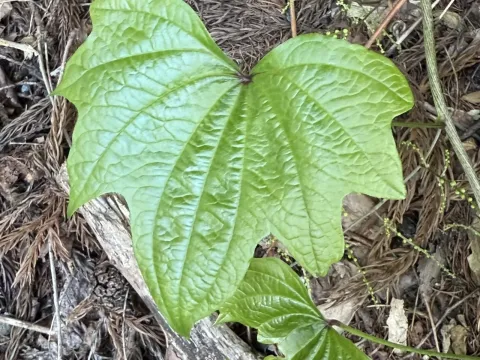
Dioscorea nipponica
Dioscorea nipponica
Dioscorea nipponica is a perennial herbaceous vine belonging to the Dioscoreaceae family. It is primarily valued in agriculture for its rhizomes containing steroid saponins.
What the section contains
Dioscorea nipponica
Propagation is generally performed via seeds or rhizome division. For commercial purposes, seed sowing is carried out in early spring after the soil has warmed up.
Seeds require cold stratification to break dormancy. They should be sown in a well-draining, nutrient-rich substrate at a depth of about 1-2 centimeters.
The germination process is slow and requires consistent moisture. Seedlings are delicate and should be protected from direct intense sunlight during their first weeks.
Transplanting into the permanent field location is best performed during the dormant season or early spring of the second year of growth.
The plant thrives in partial shade conditions, mimicking its natural habitat in deciduous forests. It is sensitive to excessive exposure to direct afternoon sun.
Well-drained, loose, and fertile soil with high organic matter content is essential. Waterlogged soils must be avoided to prevent root diseases.
A vertical support system is necessary for optimal growth. As a vine, it requires structures to climb, which enhances its photosynthetic efficiency and overall vigor.
Moderate climate conditions are ideal. The plant is hardy, but in colder regions, protection against harsh winter frosts may be required during the establishment phase.
Regular irrigation is needed during dry periods, but water should never accumulate around the base of the plant to avoid rot issues.
The yield of Dioscorea nipponica is measured by the biomass of the rhizomes. The plant requires several years of growth before reaching harvestable maturity.
A cultivation cycle of 3 to 5 years is recommended to ensure the roots contain the highest concentration of active pharmaceutical compounds.
Fertilization with phosphorus and potassium during the active growing season promotes root development and secondary metabolite synthesis.
Planting density should be managed to prevent overcrowding, which allows for better air circulation and reduces the risk of fungal infections.
Optimal farm management practices can result in high-quality yields suitable for the pharmaceutical industry's strict standards.
Fungal pathogens causing root rot are the primary threat, especially in soils with poor drainage. Fungicidal preventative measures are often employed.
Soil pests like wireworms and white grubs can cause mechanical damage to the rhizomes, leading to secondary infections and quality loss.
Aphids and mites can attack the foliage, particularly in younger plants, which reduces their overall growth rate and vigor.
Weed control is critical, especially in the first two years of establishment, to ensure the crop does not face competition for resources.
Regular monitoring of the field is necessary to catch infestations or diseases early and implement corrective actions promptly.
Harvesting takes place in late autumn after the foliage has died back. This timing ensures that the nutrient reserves are concentrated within the rhizomes.
Mechanical diggers or manual hand-tools are used to extract the rhizomes. Great care must be taken to minimize bruising, as damaged roots deteriorate quickly.
Post-harvest processing involves washing the roots to remove all soil and debris, followed by careful grading for size and health.
The rhizomes are then dried at controlled temperatures to prevent the degradation of active chemical components like saponins.
Final storage must be in a cool, dark, and dry environment to maintain the quality and shelf-life of the medicinal raw material.