
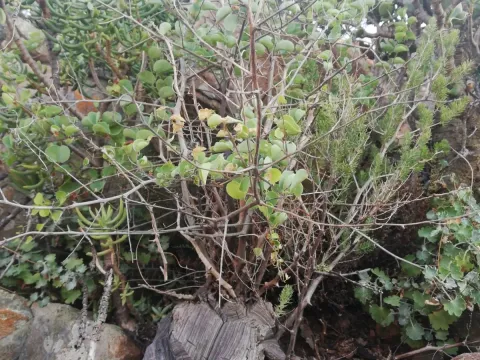
Elephant foot yam
Dioscorea elephantipes
Sowing seeds of Dioscorea elephantipes is best performed in the spring when air temperatures are consistently above 20 degrees Celsius. It is essential to use fresh seeds, as their viability decreases significantly over time.
What the section contains
Elephant foot yam
The germination substrate should be light, airy, and well-draining, typically incorporating sand or perlite. Seeds should be pressed lightly into the moistened soil mixture rather than buried deep to ensure proper oxygen exchange.
Using a clear cover or glass over the germination tray helps establish the humidity required for sprouting. Daily ventilation is a critical practice to inhibit the growth of harmful fungi on the substrate surface.
Seedlings emerge unevenly, often taking anywhere from one to three months to sprout. Once germinated, the young plants require a gradual transition to lower humidity levels and bright, indirect lighting.
Transplanting into individual pots should only occur after the initial caudex has clearly begun to form. Great care must be taken during this process, as the root system of the plant is highly sensitive to disturbance.
Dioscorea elephantipes is a perennial caudex plant belonging to the Dioscoreaceae family, native to the arid regions of Southern Africa. In its natural habitat, it thrives in rocky, well-draining soil types.
The primary requirement for successful cultivation is correct lighting: the plant prefers bright, indirect sunlight. Intense midday sun can easily scorch the surface of the corky, textured caudex.
The ideal temperature range during the active growing season is between 22 and 26 degrees Celsius. During the winter dormancy phase, temperatures should be lowered to 12–15 degrees Celsius.
Watering must be carefully regulated, as excessive moisture is fatal to the root system. The substrate must dry out completely between waterings, especially during dormancy, when irrigation should be kept to an absolute minimum.
For potting, use a slightly acidic or neutral mixture of loam, coarse sand, and grit. A generous drainage layer at the bottom of the container is essential to ensure that water does not accumulate around the base of the caudex.
The most significant threat to the plant is root and stem rot caused by improper watering practices. Overly wet conditions lead to rapid softening of the caudex, which can kill the specimen in a short time.
Common pests include scale insects and mealybugs. These insects feed on the sap of young vines, causing structural damage and weakening the overall health of the plant.
Spider mites may become a problem in environments with very low air humidity. Regular monitoring and maintaining appropriate humidity levels are the best preventative measures against these pests.
If an infestation occurs, it is recommended to apply systemic insecticides promptly. Early intervention is crucial to prevent the pests from multiplying and causing irreparable damage to the plant's delicate tissues.
- Root rot (Phytophthora)
- Scale insects
- Mealybugs
- Spider mites