
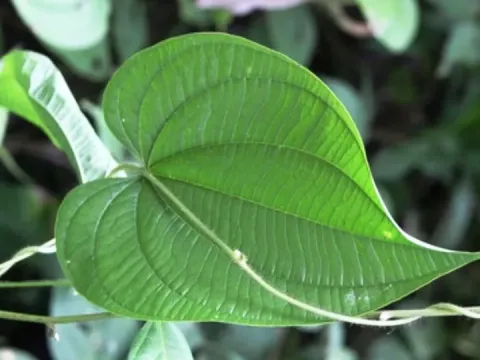
Dioscorea composita
Dioscorea composita
Dioscorea composita is a perennial vine belonging to the Dioscoreaceae family. In industrial cultivation, the propagation process is initiated through either seed germination in controlled greenhouse environments or vegetative propagation using rootstock sections.
What the section contains
Dioscorea composita
For seed-based propagation, sowing is best performed in early spring when temperatures remain consistently between 18 and 22 degrees Celsius. High humidity levels during the germination phase are crucial to ensure uniform seedling emergence and robust initial development.
Vegetative propagation is widely preferred due to the predictability of plant traits. Segments of healthy rhizomes, each containing viable growth buds, are planted in well-prepared soil during the dormant season, which facilitates faster establishment of the root system.
Spacing is a vital consideration during sowing to prevent overcrowding, which can inhibit photosynthesis and limit root growth. A distance of at least one meter between rows is typically recommended to allow for efficient field maintenance and access.
Young plants are particularly sensitive to environmental stress. The use of shade netting during the early vegetative stage protects seedlings from intense direct sunlight and temperature fluctuations, significantly increasing the survival rate of the crop.
As a tropical plant, Dioscorea composita demands a warm climate with high atmospheric humidity. It is strictly sensitive to frost, which makes controlled environment cultivation essential in temperate regions to prevent irreversible damage to the vines.
The crop requires fertile, deep, and well-drained soils with a neutral or slightly acidic pH. Poor drainage is detrimental to this species, as stagnant water in the root zone quickly triggers rot and significantly reduces the quality of the harvested rhizomes.
The provision of vertical support structures is mandatory for optimal growth. As a vine, the plant needs trellises or stakes to climb, which ensures proper leaf exposure to sunlight and enables the plant to invest energy into thickening its underground rhizomes.
Consistent irrigation is required throughout the growing season, though it must be carefully managed. The soil should remain moist but never saturated, as waterlogged conditions inhibit oxygen uptake and promote the development of pathogenic fungi.
Nutrient management involves regular applications of organic matter, such as well-rotted compost, supplemented by mineral fertilizers during periods of peak vegetative activity. This balance supports both the rapid development of foliage and the accumulation of secondary metabolites.
The primary economic value of Dioscorea composita lies in its rhizomes, which are rich in steroidal saponins, specifically diosgenin. This compound is a key precursor in the synthesis of various steroid-based pharmaceutical medications and hormones.
The harvest cycle for this crop typically spans three to four years. Allowing the plant to reach this age ensures that the rhizome mass and the concentration of active ingredients are sufficient to meet commercial quality standards for pharmaceutical raw materials.
Yield metrics per hectare vary depending on the local climate and the intensity of the agronomic practices applied. Modern intensive cultivation, including precise fertigation, can significantly increase the output of harvestable dry weight per unit of land.
Quality control during the harvest is paramount. Laboratories frequently assess the diosgenin content of the roots to ensure the crop meets industrial purity and potency requirements before it is processed by pharmaceutical firms.
Ongoing research into superior genotypes is helping breeders develop varieties that produce higher yields of saponins within shorter timeframes. This progress is essential for the long-term sustainability of the medicinal plant industry.
Soil-borne pathogens represent the most significant threat to Dioscorea composita, with Fusarium wilt and root rot being the most common diseases. These issues often arise from overly humid conditions and inadequate rotation of the planting field.
Insect pests, such as spider mites and aphids, frequently infest the vines during hot and dry spells. These pests damage the foliage and can transmit viral diseases that severely impair the plant's metabolic capacity and overall vigor.
Proactive management of the field environment is the best defense. Maintaining proper ventilation and removing weeds that could serve as alternative hosts for pathogens helps in keeping the plantation healthy and reducing the need for chemical interventions.
Integrated Pest Management (IPM) strategies, including the use of biological control agents and resistant plant varieties, are recommended. If chemical treatments are necessary, they must be applied judiciously to avoid contaminating the medicinal raw material.
Field monitoring should be a weekly routine during the growing season. Early detection of pest outbreaks or disease symptoms allows for localized interventions, which prevents larger-scale spread and protects the overall crop yield.
The harvest occurs in late autumn when the vines begin to senesce and the foliage turns yellow. At this stage, the plant has redistributed its energy reserves into the roots, maximizing the chemical content of the rhizomes.
Mechanical harvesting equipment is typically utilized to lift the rhizomes from the earth. The process must be gentle to minimize cuts or bruises to the roots, as damaged sections are highly susceptible to post-harvest decay.
Post-harvest cleaning involves the removal of remaining soil and fine fibrous roots. Once cleaned, the rhizomes must be processed quickly to maintain their phytochemical integrity and prevent degradation from exposure to contaminants.
Drying is a critical phase of the harvest process. The roots are dehydrated in controlled-temperature dryers at 40–50 degrees Celsius until they reach the target moisture content, which prevents the growth of mold during long-term storage.
The final product is stored in dark, cool, and well-ventilated areas. Maintaining low humidity in the storage facility is crucial to preserving the pharmacological activity of the saponins until the material is processed into final medicine.