
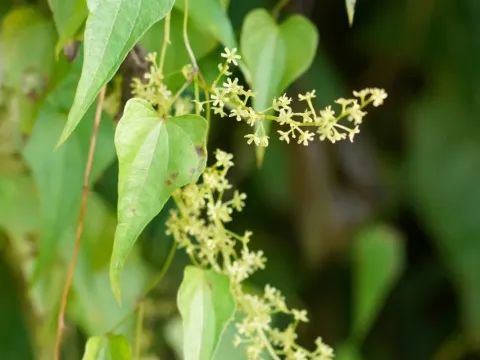
Dioscorea tenuipes
Dioscorea tenuipes
Dioscorea tenuipes is a perennial herbaceous plant belonging to the Dioscoreaceae family. It is recognized for its tuberous roots, which are the primary focus of agricultural production in specific climates.
What the section contains
Dioscorea tenuipes
The planting season typically begins in early spring once soil temperatures reach a consistent range of 12–15°C. Propagation is primarily achieved through the division of healthy tubers, ensuring high-quality plant material for the coming season.
Seed-based propagation requires stratification to break dormancy. Seeds should be sown in controlled greenhouse environments to maximize germination rates before transplanting the young plants into the field.
When transplanting, spacing is critical; rows should be at least 60 centimeters apart to allow for vigorous vine growth and proper air circulation. This spacing prevents overcrowding and reduces the risk of moisture-related diseases.
The planting depth should be maintained between 5 and 10 centimeters, depending on the tuber size. Applying a layer of organic mulch helps retain soil moisture and suppresses early-season weed development effectively.
This species thrives in light, well-draining soils such as sandy loams or silt-rich mixes. Excellent drainage is essential, as waterlogging can cause immediate damage to the tuber structure and lead to root rot.
As a climbing vine, Dioscorea tenuipes requires sturdy support structures or trellises to facilitate proper growth. Training the vines vertically ensures optimal exposure to sunlight and improves the overall health of the plant.
The plant prefers temperate climates with consistent moisture levels during the growing phase. While it can handle some heat, prolonged periods of extreme temperatures should be mitigated with adequate irrigation and shade if necessary.
Soil pH levels should ideally range from 5.5 to 7.0 for optimal nutrient uptake. Regular organic fertilization with compost improves soil structure and provides the essential nutrients required for tuber expansion.
Temperature control is vital during the peak growing months. Maintaining a moderate climate prevents the plant from suffering heat stress, which can otherwise lead to slowed growth and reduced biomass accumulation.
The economic value of Dioscorea tenuipes lies primarily in its phytochemical compounds. The tubers are harvested for use in various pharmacological applications due to their unique medicinal profiles.
Harvesting takes place in late autumn when the aerial parts of the plant naturally yellow and die back. This physiological stage indicates that the tubers have reached peak maturity and are ready for extraction.
Extreme care must be taken during the digging process to avoid mechanical bruising of the tubers. Using specialized agricultural tools helps lift the crop without cutting or damaging the delicate skin of the harvest.
Post-harvest processing involves cleaning the tubers and drying them in a well-ventilated space. Maintaining temperatures below 40°C ensures that the chemical properties remain intact without degrading the quality of the raw material.
Storage requires dry and cool environments to prevent fungal growth. Properly stored and dried Dioscorea tenuipes tubers can retain their pharmaceutical efficacy for extended periods, making them stable for distribution.