
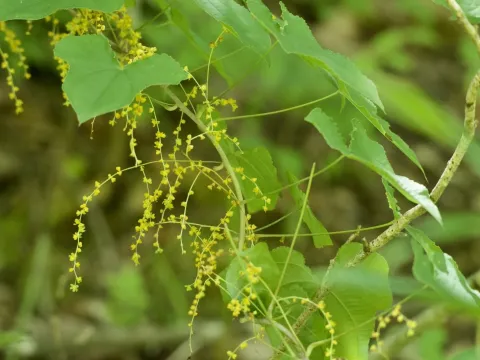
Dioscorea gracillima
Dioscorea gracillima
Planting Dioscorea gracillima is best initiated in early spring once soil temperatures have consistently risen above 15 degrees Celsius. The seeds often require a short stratification period to break dormancy, ensuring a higher germination rate and more uniform emergence across the plot.
What the section contains
Dioscorea gracillima
When propagating via tubers, select healthy, disease-free segments and plant them at a depth of 10 centimeters. Adequate spacing is essential to allow the vines to grow without crowding, which is critical for the proper development of the subterranean tubers that define this species.
The planting substrate should be friable and well-aerated to facilitate rapid root development. Incorporating well-rotted organic matter into the soil helps maintain a favorable structure, which is vital for preventing the tuber malformations often caused by compacted or rocky soils.
Monitoring the emerging sprouts is necessary during the first few weeks, as young plants are particularly susceptible to weed competition. Manual weeding is highly recommended in the early stages to ensure the crop has full access to nutrients and sunlight.
Providing trellises or vertical support structures immediately after planting is a fundamental agronomic practice. As a climbing vine, Dioscorea gracillima needs vertical space to maximize its photosynthetic potential, which directly correlates to the final tuber size and quality.
As a member of the Dioscoreaceae family, this species thrives in humid, temperate environments. It is native to forested regions where it is protected from extreme temperature swings, making it a sensitive crop that requires stable microclimatic conditions for optimal growth.
The soil requirements are strict: the crop demands deep, fertile, and well-drained loamy soils. Waterlogging is the primary cause of crop failure, as it promotes rapid tuber rot; therefore, identifying well-drained sites is the first step in successful farm planning.
Light requirements are balanced between partial shade and moderate sunlight. In regions with intense radiation, using shade cloths or intercropping with taller species is recommended to prevent leaf scorching and excessive transpiration, which can stress the plant.
Optimal growth occurs within a temperature range of 18 to 25 degrees Celsius. While the plant can tolerate moderate fluctuations, it does not perform well in frost-prone areas, necessitating its cultivation in regions with a long, mild growing season to reach maturity.
Irrigation should be managed through a drip system to maintain constant soil moisture without saturating the top layer. Consistency is key; drought stress during the tuber-bulking phase will significantly reduce the final harvest yield and impact the quality of the starch storage.
Soil-borne pests such as wireworms and mole crickets pose the greatest threat to Dioscorea gracillima. Integrated pest management, including crop rotation and the use of botanical repellents, is essential to keep these populations below the economic injury level.
Root rots caused by various soil pathogens are common in poorly drained fields. To mitigate this risk, farmers should avoid monoculture cycles and ensure that drainage ditches are properly maintained to prevent water accumulation during heavy rainfall events.
Leaf-feeding insects, specifically aphids and certain beetle species, may colonize the vine during the peak growing season. Regular scouting and the application of neem-based oils or other mild organic insecticides can effectively manage these populations without harming the surrounding ecosystem.
Viral transmission by insect vectors is another significant concern. Since there is no direct treatment for viral infections in this crop, maintaining a clean perimeter around the field and removing alternate host plants is the primary method of preventing disease outbreaks.
Sanitation practices regarding equipment are vital to prevent the spread of soil-borne pathogens. Cleaning tools between rows and ensuring that no infected plant material is left on-site are fundamental steps in maintaining long-term field health and productivity.
The harvest phase begins in late autumn when the foliage starts to senescence and dries out completely. This natural die-back is a critical indicator that the plant has ceased vegetative growth and has translocated maximum energy into the tubers for storage.
Excavation should be performed carefully using garden forks to lift the tubers from the ground. Because the skin of the tubers can be thin and prone to bruising, care must be taken to minimize mechanical impact, which otherwise leads to rapid spoilage in storage.
Once harvested, tubers should be cleaned of loose soil and cured in a shaded, well-ventilated area for several days. This curing process allows minor surface cuts to heal, forming a protective layer that significantly extends the shelf life of the harvested product.
Storage requires a cool, dry, and dark environment, such as a climate-controlled cellar. Maintaining temperatures between 2 and 5 degrees Celsius is ideal for preserving the nutritional integrity and texture of the tubers for extended market availability throughout the winter.
Regular inspection of the stored tubers is necessary to identify and remove any individuals showing signs of rot. By isolating damaged units early, the farmer can prevent the spread of decay, ensuring that the majority of the crop remains in high-quality condition.