
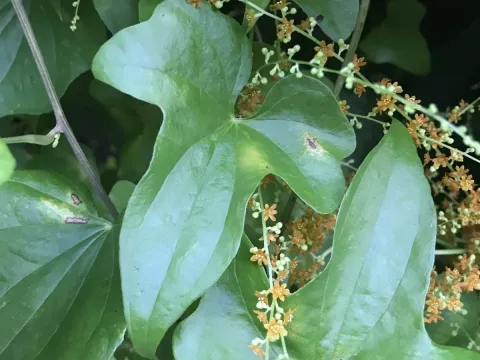
Five-lobed yam
Dioscorea quinquelobata
Dioscorea quinquelobata is a perennial climbing plant belonging to the Dioscoreaceae family. Native to East Asia, it has historically been used in traditional medicine and is studied for its chemical profile.
What the section contains
Five-lobed yam
The plant features distinct five-lobed leaves and a robust tuberous root system. The vines are vigorous and require support to reach their full potential and maximize nutrient storage in the tubers.
Cultivation requires fertile, well-drained loamy soils rich in organic matter. Consistency in soil moisture is essential, as the plant does not tolerate prolonged drought, which hinders tuber development.
The species prefers partial shade or dappled sunlight, mimicking its natural forest-edge habitat. Excessive direct sunlight can scorch the leaves and negatively impact the physiological processes of the plant.
From an agricultural standpoint, proper site selection and support structures are vital. In colder regions, the root system must be protected from deep frost using mulch to ensure survival throughout the winter.
The primary threats to Dioscorea quinquelobata include various fungal infections, most notably leaf spots and root rots caused by waterlogged soil conditions.
Pests such as aphids and spider mites can colonize the foliage during dry and hot spells, leading to stunted growth and reduced vigor of the vines.
Cultural practices like maintaining proper plant spacing are crucial to ensure adequate airflow and reduce the humidity levels that favor fungal pathogens.
Disease management involves strict sanitation, removing infected plant parts immediately, and utilizing fungicidal treatments only when necessary and justified.
Regular monitoring of tuber health during the dormant season is recommended to prevent the spread of soil-borne pathogens that might compromise the next growing cycle.