
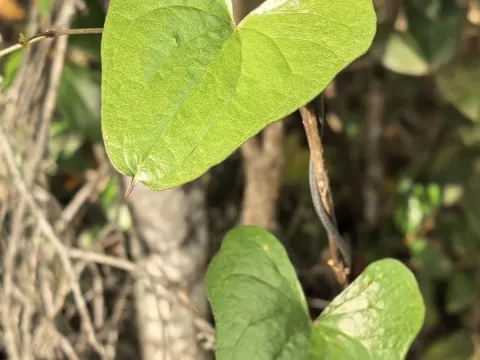
Forest yam
Dioscorea sylvatica
Forest yam, scientifically known as Dioscorea sylvatica, belongs to the Dioscoreaceae family and is recognized as a hardy perennial. Propagation is achieved through both seeds and vegetative division of the tubers, with the latter being the preferred method for commercial uniformity.
What the section contains
Forest yam
When starting from seeds, ensure a sterile, well-draining potting medium is used, keeping temperatures consistent between 20°C and 22°C to facilitate successful germination. Seed coat scarification may be necessary to improve rates of sprouting.
Vegetative propagation involves dividing mature tubers into sections, ensuring each piece has at least one dormant bud. These sections are planted at a depth of 10 centimeters in loose, nutrient-rich soil to allow for optimal expansion.
As a climbing vine, Dioscorea sylvatica requires reliable support structures such as trellises or netting early in the growth stage. This vertical training is essential for canopy development and sunlight interception.
Transplanting into the field should occur only after all risks of frost have passed. Young plants are highly sensitive and require a gradual acclimatization period before being placed into their final growth environment.
This species thrives in partial shade conditions, mimicking its natural woodland habitat. Excessive exposure to direct, intense sunlight can lead to leaf scorching and impaired tuber development.
The soil must be light, permeable, and rich in organic matter. Sandy loam soils with a slightly acidic to neutral pH are ideal for achieving maximum tuber biomass and healthy root expansion.
Consistent soil moisture is vital during the growing season, but waterlogging must be avoided at all costs. Overwatering is the most frequent cause of root rot in this species, necessitating excellent drainage systems.
Fertilization should prioritize potassium and phosphorus to support metabolic activity within the tubers. Avoid excessive nitrogen inputs, as these stimulate foliage growth at the expense of root storage capacity.
Mulching is highly recommended to regulate soil temperature and retain moisture. A layer of organic matter provides a buffer against heat stress during the peak summer months.
Fungal pathogens, particularly root rot, represent the primary threat to plantation health. Management strategies focus on sanitation of planting tools and strict control over moisture levels in the field.
Spider mites can become problematic during hot, dry weather conditions, causing stippling and eventual necrosis of the foliage. Regular inspection and localized treatment are necessary to mitigate infestations.
Aphids often target young shoots and leaves. If left untreated, they can spread viral diseases, necessitating the use of systemic pesticides or biological control methods to protect the crop.
Nematodes are significant threats that can compromise root structure. Crop rotation and soil testing prior to planting are essential practices to ensure the long-term viability of the cultivation site.
Slugs and snails may attack young growth, especially in damp environments. Implementing physical barriers or organic baits around the base of the plants provides adequate protection during the early establishment phase.
Harvesting typically takes place 3 to 4 years post-planting, once the plants have entered a state of senescence and the tubers have reached their peak size and concentration of diosgenin.
The process involves careful excavation of the tubers after the aerial parts of the vine have withered. Mechanized harvesters must be calibrated to prevent bruising or breaking the skin of the roots.
Post-harvest handling requires immediate cleaning and drying of the tubers. Proper airflow during the drying process is critical to prevent mold growth and maintain the chemical integrity of the harvested product.
The product serves as a crucial raw material in the pharmaceutical industry. The extracted compounds are widely utilized in the semi-synthesis of therapeutic drugs and steroid precursors.
Storage must be managed in a cool, dry, and well-ventilated facility to ensure the longevity of the supply chain and minimize the degradation of active ingredients before processing.