
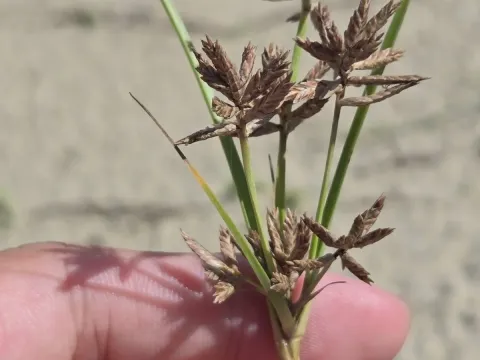
Cyperus stoloniferus
Cyperus stoloniferus
Cyperus stoloniferus is a perennial herbaceous plant belonging to the Cyperaceae family. It is widely recognized for its ability to thrive in wet, saline, or marshy environments, making it a robust species in specific ecological niches.
What the section contains
Cyperus stoloniferus
Native to tropical and subtropical coastal regions, the plant is characterized by its stoloniferous root system. These horizontal underground stems help the plant spread rapidly across sandy or alluvial soil deposits, ensuring its dominance in coastal habitats.
The climate requirements for optimal growth focus on consistently warm temperatures and high humidity levels. Unlike many traditional crops, this sedge is highly tolerant to waterlogging and can endure saline conditions that would be detrimental to other plant species.
Agricultural management relies on maintaining appropriate moisture levels throughout the growing season. While the plant is inherently hardy, intensive farming requires specific soil preparation to facilitate the development and subsequent harvesting of its nutrient-rich tubers.
Economically, Cyperus stoloniferus is utilized for its edible tubers, which are sources of starch, as well as for its fibers used in traditional weaving and matting. Its root-binding properties also make it an effective tool for preventing soil erosion in coastal areas.
Major diseases affecting this crop include fungal infections such as stem rot and various leaf rusts, particularly prevalent in stagnant water conditions where humidity is excessively high.
Pests that frequently target the foliage include various species of aphids and caterpillars, which can significantly reduce the photosynthetic capacity of the plants if left unmanaged.
Soil-borne pests like nematodes often cause substantial damage to the developing tubers, impacting both the total yield and the marketability of the final product.
Management of these threats involves crop rotation strategies and the removal of infected plant debris to minimize the buildup of pathogens in the field.
Implementing proper irrigation drainage during the dormant phase can help mitigate the risks associated with excessive fungal growth and soil-borne infestations.