
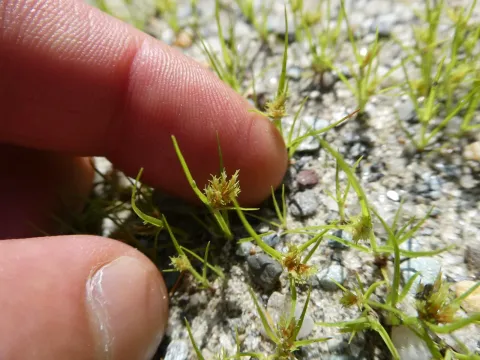
Cyperus squarrosus
Cyperus squarrosus
Cyperus squarrosus is an annual herbaceous plant belonging to the Cyperaceae family. In agricultural terms, it is primarily recognized as a component of natural pastures or a specialized species adapted to waterlogged environments, providing unique ecological value to these habitats.
What the section contains
Cyperus squarrosus
The plant thrives in wet and marshy substrates, sandy riverbanks, and areas with high water tables. It exhibits significant ecological plasticity regarding soil pH, successfully establishing itself in both slightly acidic and neutral soils, provided there is adequate aeration in the root zone.
Optimal growth conditions necessitate warm temperatures during the summer and high levels of solar radiation. The plant is highly sensitive to water deficiency; therefore, maintaining a stable hydrological regime is critical for successful cultivation and biomass accumulation.
Botanically, the plant is identified by its distinct umbel-like inflorescences and triangular stems, which are characteristic of the Cyperus genus. Its root system is fibrous and relatively shallow, making it responsive to fluctuations in soil moisture levels.
The native range of the species encompasses tropical and temperate regions, where it competes effectively with other hydrophilous vegetation. Its biology is well-adapted to occasional flooding, allowing it to utilize marginal lands that are typically unsuitable for conventional crop production.
Major threats to Cyperus squarrosus populations include fungal pathogens, such as root rot and leaf spot, which proliferate in stagnant water conditions. Proper drainage management is the primary method for disease prevention.
Pests, particularly dipteran larvae in the root zone and aphids during the flowering stage, can significantly affect plant health. Integrated pest management strategies are preferred to minimize the impact while preserving the local ecosystem.
Weed competition during the seedling emergence phase is a critical challenge. Without proper management of the surrounding flora, Cyperus squarrosus may struggle to establish, leading to lower density and reduced overall productivity.
Anthropogenic pressure, specifically overgrazing, can lead to the rapid degradation of plant stands. Implementing rotational grazing or seasonal exclusion zones is necessary to protect the plant's regenerative potential.
Extreme weather events, including unseasonal frosts or prolonged drought, can cause physiological stress and inhibit growth. Continuous monitoring and climate-resilient planning are essential components of maintaining healthy stands of this species.