
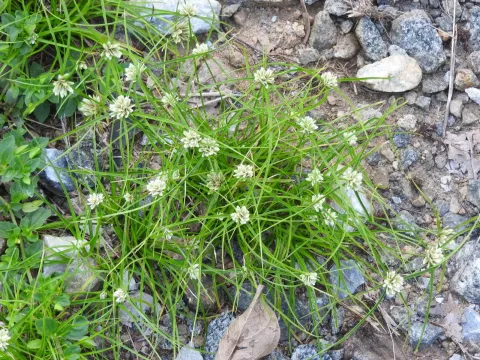
Cyperus seslerioides
Cyperus seslerioides
Cyperus seslerioides is a perennial grass-like plant belonging to the Cyperaceae family. It is native to various tropical regions of Africa, where it thrives in grasslands, savannahs, and seasonally moist meadow environments.
What the section contains
Cyperus seslerioides
Botanically, the plant is characterized by a dense, tufted growth habit. Its narrow, linear leaves form a basal rosette, which is an evolutionary adaptation that helps the plant survive both periods of intense drought and intensive grazing pressure.
The crop thrives in well-lit environments and shows a high level of adaptability to diverse soil types. It performs exceptionally well in sandy-loam soils, provided there is enough moisture to support growth during the active vegetative season.
From an agricultural standpoint, Cyperus seslerioides requires warm temperatures, ideally between 20°C and 30°C for optimal photosynthetic rates. Its root system is highly efficient at nutrient uptake and moisture retention in the upper soil layers.
In terms of хозяйственное usage, it is primarily valued as a forage resource for livestock. Its ability to provide consistent green biomass makes it a staple component for sustainable grazing systems in its native range.
The primary threats to Cyperus seslerioides include fungal leaf blights that occur in high-humidity climates. Proper pasture management and ensuring good airflow can help mitigate the risk of these diseases spreading.
Insect pests, particularly grasshoppers and locusts, are known to feed on the foliage. Under severe infestations, these pests can significantly reduce the nutritional yield of the pasture, necessitating control measures.
Root-feeding nematodes pose a hidden threat, especially in areas where monoculture practices have been implemented. Soil analysis and rotational grazing are recommended to prevent the buildup of these parasitic worms.
Weed competition is a significant concern during the establishment of the plant. Invasive shrub species can overtop the sedge, leading to reduced growth and potential local extinction of the species if not cleared.
Overgrazing remains the most significant anthropogenic threat. When the plant is grazed below its regenerative capacity, the root system weakens, making it susceptible to erosion and environmental stressors.