
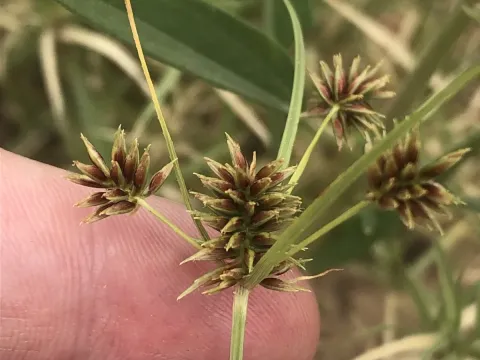
Cyperus retroflexus
Cyperus retroflexus
Cyperus retroflexus is a perennial herb belonging to the Cyperaceae family. It is naturally adapted to moist, riparian, and marshy habitats, making it a unique candidate for specific agricultural and landscape applications requiring high water tolerance.
What the section contains
Cyperus retroflexus
Botanically, the plant is distinguished by its characteristic three-angled stems and dense inflorescences. It develops a robust rhizomatous root system, which allows it to thrive in saturated soil conditions where other common crops would fail due to root suffocation.
The primary requirement for this species is a consistent water supply. It performs best in nutrient-rich, clay-heavy soils or silt loams that remain consistently moist. Stable hydro-periods are essential for maintaining the vigor and growth rate of the crop.
Regarding climate, Cyperus retroflexus prefers warm growing seasons with ample solar radiation. While it is hardy in its native range, it requires protection from extreme desiccation during prolonged dry spells, as the plant lacks the drought-tolerance mechanisms of xerophytes.
Agricultural management should focus on maintaining a steady water level. Soil moisture management is the cornerstone of its cultivation, ensuring that nutrients remain accessible to the root system while preventing the substrate from becoming completely anaerobic over extended periods.
The primary phytosanitary risks to Cyperus retroflexus involve fungal pathogens that thrive in high-humidity environments. Leaf spot diseases and various types of stem rust are common concerns that can significantly impact the health of the crop.
Pests such as specialized lepidopteran larvae may feed on the stems and leaves, potentially causing structural damage. Nematode infestations in the root zone are also a serious concern that can lead to stunted growth and reduced overall output.
Integrated Pest Management (IPM) strategies are recommended to mitigate these risks. Due to the plant's association with wetlands, chemical interventions must be handled with extreme caution to avoid contaminating the water environment.
Preventive measures include managing planting density to facilitate air circulation, which helps keep the foliage dry and limits the spread of fungal spores. Regular scouting for early signs of lesions or insect activity is necessary for effective management.
Effective control of threats relies heavily on sanitation practices. Removing infected plant debris and ensuring that only clean, certified planting material is introduced to the site can prevent the establishment of persistent soil-borne pathogens.