
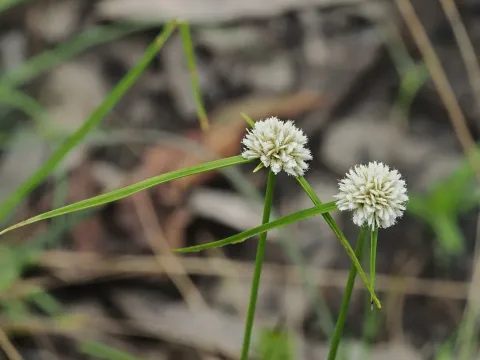
Cyperus pulchellus
Cyperus pulchellus
Cyperus pulchellus is a perennial herbaceous plant belonging to the Cyperaceae family. It is native to tropical and subtropical climates, thriving primarily in wetlands, marshes, and along the banks of freshwater bodies where the soil remains saturated throughout the growing season.
What the section contains
Cyperus pulchellus
Botanically, the species is distinguished by its robust rhizomatous root system, which allows it to anchor firmly in soft, waterlogged substrates. The stems are typically triangular, a classic characteristic of the sedge family, supporting narrow, lush leaves that optimize photosynthetic efficiency in high-light conditions.
The plant has strict moisture requirements and cannot tolerate drought. It thrives best in nutrient-rich, heavy soils with high water-retention capacity. The organic matter content should be high to support the rapid development of the root biomass.
Climatically, it is a frost-sensitive plant that requires a warm environment with high average temperatures. Even minor cold snaps can damage the plant's succulent tissues, so it is best suited for cultivation in regions without significant seasonal temperature drops.
Agricultural management focuses heavily on hydrology. Growers must maintain a consistent water table, as any sudden change in soil moisture can induce stress, reducing the vigor and economic utility of the crop. Full sunlight is preferred to ensure optimal density of the plants.
Root rot is the most common threat to Cyperus pulchellus, often caused by stagnant water where pathogenic fungi proliferate, attacking the rhizomes and hindering nutrient uptake.
Pests such as aphids and spider mites can become problematic in sheltered or indoor growing conditions, especially if humidity levels fluctuate or if the surrounding air becomes too dry and stagnant.
Fungal leaf spots represent another significant challenge, characterized by the appearance of dark, necrotic lesions that can spread rapidly across the foliage if planting density is too high.
Effective management requires maintaining good air circulation within the field or greenhouse, which helps reduce the humidity levels at the leaf surface just enough to prevent fungal outbreaks.
Integrated pest management strategies should be utilized, favoring biological controls to maintain the delicate ecological balance of the wetland environment where the crop is cultivated.