
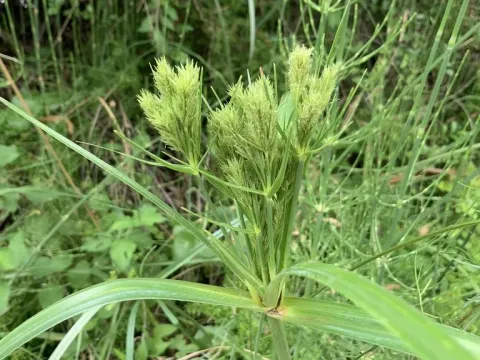
Cyperus prolixus
Cyperus prolixus
Cyperus prolixus is a perennial herbaceous plant belonging to the Cyperaceae family. Originating from tropical and subtropical regions of Africa, this species is well-adapted to environments where moisture is abundant and consistently available throughout the year.
What the section contains
Cyperus prolixus
The botanical structure of this sedge features a robust root system and upright stems that form dense, spreading clumps. Its long, linear leaves are characteristic of the Cyperus genus, contributing to the plant's overall resilience and structural integrity in riparian ecosystems.
To thrive, this crop requires specific environmental conditions including high humidity levels and a warm climate. It is predominantly found in wetlands, marshy areas, and riverbanks, where the soil profile remains saturated, allowing the plant to maintain its metabolic processes.
Soil requirements for Cyperus prolixus include high organic matter content and a well-structured medium that supports root development. While it thrives in water, it prefers soil that allows for some level of oxygen exchange, preventing the deleterious effects of stagnant anaerobic conditions.
In terms of agricultural and landscape usage, this plant is primarily utilized for land reclamation, decorative water feature planting, and as a natural bio-filter in water management systems. Its ability to absorb high levels of nutrients makes it useful in specific ecological restoration projects.
The most significant threats to Cyperus prolixus involve fungal diseases, particularly stem rot and leaf spots, which occur when airflow is restricted or temperatures drop too low for the plant's physiological needs. Proper spacing and drainage management are essential to mitigate these risks.
Pest pressures often include mites and small sucking insects, which can weaken the plant and reduce its aesthetic and biological value. Integrated pest management strategies, focusing on environmental control and biological agents, are recommended to maintain healthy populations.