
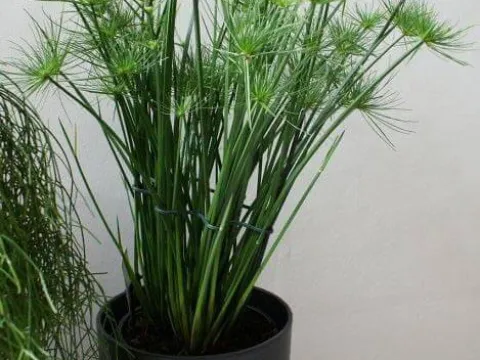
Harla Flatsedge
Cyperus harla
Harla Flatsedge (Cyperus harla) is a perennial herbaceous plant belonging to the Cyperaceae family, typically found in marshy or wet habitats.
What the section contains
Harla Flatsedge
Planting generally occurs in late spring, ensuring the soil temperature has risen sufficiently to support germination and early root development.
Seeds should be sown at a shallow depth, typically 1 to 2 centimeters, to ensure they have enough energy to emerge through the soil surface.
For large-scale cultivation, precision drilling is recommended to achieve an uniform plant stand and optimize the use of field space.
Proper field preparation, including the removal of competing weeds, is crucial for the successful establishment of the crop in the first few weeks.
The plant thrives in nutrient-rich, moist soils that maintain high water retention throughout the entire growing season of the culture.
Full sun exposure is preferred for maximum biomass production, although the plant shows some adaptability to partial shade conditions.
Soil pH levels should be maintained in the slightly acidic to neutral range to ensure the bioavailability of essential micronutrients.
Consistent moisture is the primary requirement; however, excessive standing water for prolonged periods should be managed with adequate drainage.
Nitrogen fertilization is often required to boost vegetative growth, though it must be balanced to avoid excessive susceptibility to diseases.
Fungal infections, particularly root rot, are the most common agricultural threats due to the high-moisture environment required by the crop.
Insects like leaf-feeding beetles can cause significant defoliation, reducing the photosynthetic capacity and overall yield of the plant.
Integrated pest management, including the use of beneficial insects and biological control agents, is recommended over chemical pesticides.
Monitoring the crop for early signs of disease spread is essential, as rapid intervention can save a large portion of the harvest.
Cultural practices such as crop rotation help in disrupting the life cycles of soil-borne pathogens that commonly affect sedge crops.
Harvesting is usually conducted once the plant reaches its peak biomass, which often aligns with the end of the active vegetative cycle.
Mechanical harvesting equipment must be calibrated to handle wet foliage and avoid damaging the underground rhizomes, if they are the target product.
Post-harvest management involves cleaning the material to remove debris, followed by rapid drying to prevent post-harvest spoilage and mold.
Different drying methods, such as air drying or low-temperature kiln drying, should be selected based on the end-use of the harvested material.
Final storage conditions must remain dry and cool to preserve the quality of the harvested crop for extended commercial periods.