
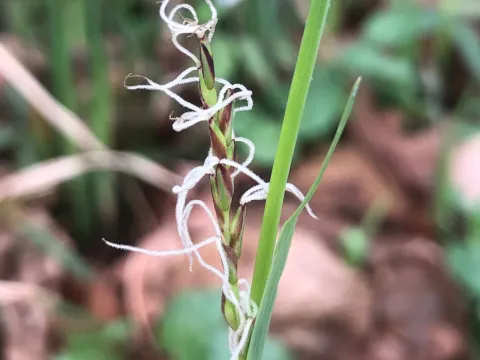
Hairy sedge
Carex pilosa
Hairy sedge (Carex pilosa) is a perennial herbaceous plant belonging to the Cyperaceae family. It is widely recognized as a characteristic component of temperate deciduous forest floors, serving as a reliable groundcover species.
What the section contains
Hairy sedge
The plant thrives in moist, humus-rich loamy soils that maintain a neutral to slightly acidic pH level. It is highly adapted to the unique microclimate of forest understories, where it benefits from consistent soil moisture and protection from harsh weather conditions.
Ecologically, the species is classified as shade-tolerant. While it requires diffuse light for optimal photosynthesis, direct exposure to intense sunlight is detrimental to its health and typically leads to leaf scorching and premature senescence.
Regarding its morphology, Carex pilosa features distinct, pubescent leaves that provide its name. Its vegetative growth is facilitated by long, creeping rhizomes, which allow the plant to spread horizontally and form dense, carpet-like communities on the ground.
In terms of practical utility, it is primarily utilized in landscape design and ecological restoration projects. Its ability to stabilize soil and maintain a green aesthetic in deeply shaded garden areas makes it a valuable species for horticulturists.
The primary threats to Hairy sedge populations include severe soil compaction and overgrazing, which physically damage the rhizomatous root system and inhibit the plant's ability to regenerate effectively within the community.
Like many forest-dwelling species, it is susceptible to fungal infections during periods of prolonged high humidity and stagnant air. These conditions often promote the growth of pathogens that can lead to leaf spots or stem decay.
Insect pests, including various leaf-chewing larvae, may pose a risk during the spring growth phase. While generally resilient, a severe infestation can temporarily reduce the decorative and ecological value of the foliage.
Hydrological instability is a significant concern for the vitality of the plant. Both extreme drought and permanent waterlogging are detrimental, as they disrupt the natural balance required for root respiration and nutrient uptake.
Effective management strategies should focus on monitoring the site's drainage, ensuring adequate spacing between plants to prevent humidity buildup, and protecting the habitat from physical disturbance by livestock or heavy machinery.