
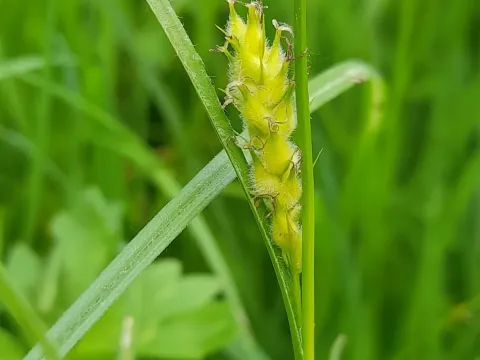
Hairy sedge
Carex hirta
Hairy sedge primarily reproduces through long, creeping rhizomes, allowing it to colonize available space rapidly. While seed propagation is possible, it typically requires cold stratification and consistent soil moisture during the germination phase to be successful.
What the section contains
Hairy sedge
The ideal time for establishing stands is early spring, when soil moisture levels are at their peak. This timing ensures robust root system development before the onset of high summer temperatures, which can stress young plants.
Proper seedbed preparation is essential, as the species is sensitive to weed competition during its early establishment stages. Seeds should be sown shallowly, ideally not deeper than 1-2 centimeters, in well-aerated soil.
In agricultural settings, overseeding into existing grassland is a common practice to reinforce the sward. This method utilizes the plant's natural competitive strength to enhance the overall density of the pasture.
Rhizome division is the preferred method for faster coverage. Planting segments in rows with spacing up to 45 cm allows the sedge to fill in the gaps over time, creating a dense, erosion-resistant vegetative layer.
Carex hirta thrives in moist, fertile, loamy, or clayey soils. It shows high ecological plasticity and can tolerate occasional waterlogging, although stagnant water for extended periods should be avoided to prevent root rot.
The plant is light-loving but adapts well to partial shade. Its ability to grow in various light conditions makes it a versatile component for mixed meadows and forest-edge pastures.
The species is well-adapted to temperate climates and demonstrates excellent winter hardiness. Consistent rainfall throughout the growing season is crucial to maintain high biomass production, as the plant is not highly drought-tolerant.
Neutral to slightly acidic soils provide the best conditions for development. While nitrogen availability promotes vegetative growth, excessive fertilization should be avoided as it can weaken stems and increase the risk of lodging.
In excessively dry conditions, the leaves become coarse and fibrous, reducing their quality as fodder. Therefore, sites with a stable groundwater table are preferred for cultivation intended for hay or grazing.
The biomass yield of Hairy sedge is highly dependent on environmental factors and management practices. In productive, well-irrigated fields, it can contribute significantly to the total forage volume.
The plant is valued for its capacity to recover quickly after mowing or grazing. This rapid regrowth allows for multiple harvest cycles per season, provided that nutrient levels and moisture remain optimal.
Nutritional value is highly stage-dependent, peaking before the generative phase begins. Harvesting at the early booting stage ensures the best balance of protein and structural carbohydrates for livestock feed.
Including this sedge in perennial grass mixtures enhances total stand productivity and stability. It acts as a reliable component that persists even when other more sensitive species might fail during unfavorable weather.
Under extensive grazing, the sedge tolerates moderate pressure well. However, rotational grazing management is recommended to prevent overgrazing and allow the plant to replenish its rhizome carbohydrate reserves.
Carex hirta is susceptible to rust fungi, especially in humid and stagnant air conditions. These pathogens can affect both the aesthetic quality of the forage and the overall vigor of the plant stand.
Several insect species may feed on the foliage, although they rarely cause economic damage. Regular monitoring is advisable in large-scale production areas to ensure that pest populations do not exceed thresholds.
Weed encroachment is the primary threat during the establishment phase. Without adequate control, fast-growing competitive weeds can suppress the sedge, leading to poor stand density and lower future yields.
Root rots can become a concern in poorly drained soils. The combination of high moisture and pathogens can lead to the death of patches within the meadow, which then require re-seeding or transplantation.
Prevention relies on good drainage practices and timely harvesting. Removing accumulated dead plant material at the end of the season reduces the overwintering sites for pathogens and insect pests.
The optimal time for mowing is during the early booting stage. Harvesting at this time balances biomass quantity with high nutritional quality, as the plant tissues are still tender and palatable.
Quick drying is essential due to the high moisture content of the foliage. Using efficient tedding methods helps reduce the curing time, preventing the loss of nutrients due to prolonged exposure to the elements.
For grazing purposes, rotational use is key to sustainable management. This allows the plants to recover after each grazing event, ensuring the long-term viability of the pasture.
Mechanical harvesting should be conducted with a mowing height of at least 5-7 cm. This protects the crown and the base of the shoots, promoting faster regrowth of the aftermath.
The aftermath of Hairy sedge provides a useful late-season forage option. When mixed with legumes, it can provide a balanced nutritional supplement for livestock during the final stages of the grazing season.