
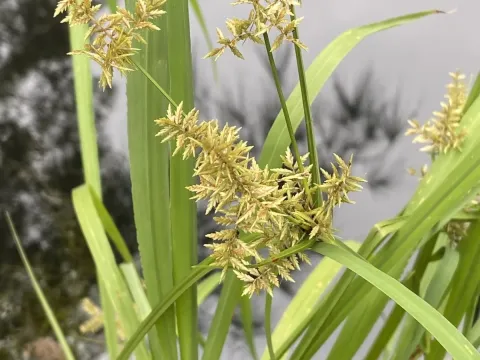
Hairy flatsedge
Cyperus pilosus
Hairy flatsedge (Cyperus pilosus) is a perennial herbaceous plant belonging to the Cyperaceae family. It is widely recognized for its preference for wet habitats, often thriving in marshy areas, riverbanks, and irrigated agricultural lands such as rice paddies.
What the section contains
Hairy flatsedge
Botanically, the plant features distinct triangular stems and terminal inflorescences that give it a characteristic appearance within the genus. The root system consists of robust stolons that facilitate rapid spread and density in favorable moist conditions.
Climate requirements for this species are strictly tied to high humidity levels. It thrives in tropical and subtropical climates where rainfall is abundant, and the temperature remains consistently warm throughout the growing season.
Soil preferences lean towards silty and heavy clay textures that retain water effectively. The ability to endure periodic flooding makes it highly resilient and often problematic for conventional farming systems where water control is necessary.
Agricultural management of this species involves careful site selection and soil preparation. Because of its vigorous growth habit, mechanical control is often difficult, making the use of appropriate soil-moisture management and targeted herbicide applications necessary.
Primary threats to the plant include various fungal pathogens that flourish in stagnant, waterlogged environments, potentially causing significant root decay and reduced plant vigor.
Pests, particularly certain species of beetles and aphids, may infest the foliage and inflorescences, causing physical damage and secondary infections that affect the overall health of the population.
Environmental stress, such as sudden drought or extreme temperature fluctuations, can severely limit the growth cycle of Cyperus pilosus, making it susceptible to opportunistic diseases.
Effective management against infestations requires systemic control strategies, as the plant's underground rhizomes can survive most mild treatments, necessitating long-term monitoring.
Cultural practices that promote soil aeration are generally detrimental to the plant, effectively reducing its competitive ability against crops that require well-drained soil conditions.