
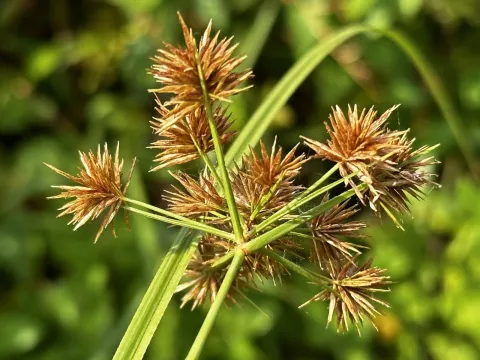
Cyperus compactus
Cyperus compactus
Cyperus compactus is a perennial herb belonging to the Cyperaceae family. This species is naturally adapted to wetland environments, including marshy areas, riverbanks, and high-moisture grasslands, where it develops robust vegetative structures.
What the section contains
Cyperus compactus
The plant is distinguished by its triangular stems, which are typical of the sedge family, and its dense, compact inflorescences. Its root system, characterized by persistent rhizomes, allows it to survive in saturated soils and adapt to fluctuating water levels.
Climate requirements for this culture include high levels of ambient humidity and moderate temperatures throughout the growing season. The plant performs best in environments that mimic its native moist habitats, avoiding extreme drought or prolonged frost events.
Soil requirements involve a preference for organic-rich, slightly acidic to neutral substrates. Proper agrotechnical management ensures that the plant receives adequate nitrogen and micronutrients, which are essential for vigorous leaf and stem development.
Economic uses of Cyperus compactus are primarily focused on biomass production. It serves as an interesting candidate for ecological restoration projects and, under certain conditions, can provide biomass for forage or specialized artisanal materials.
Fungal pathogens represent the primary threat to Cyperus compactus populations, particularly in environments with poor air circulation. Diseases like leaf rust can cause significant damage to the plant's photosynthetic capacity, leading to reduced overall yield.
Insect pests such as aphids and stem borers may infest the plants during peak growth periods. Effective management requires constant monitoring and the implementation of cultural practices that discourage pest colonization, such as maintaining optimal planting spacing.
Preventative measures include ensuring the site has adequate drainage to prevent excessive soil saturation, which could lead to root rot. Good field hygiene and the timely removal of infested plant debris are crucial for disease containment.
Balanced fertilization is essential to improve the plant's natural resistance to environmental stress and pathogenic attacks. Over-fertilization should be avoided to prevent excessive succulent growth, which may become more susceptible to pests.
Crop rotation and selecting resistant cultivars are recommended strategies for managing soil-borne pathogens. By maintaining a healthy soil environment, growers can ensure the longevity and productivity of the Cyperus compactus stands.