
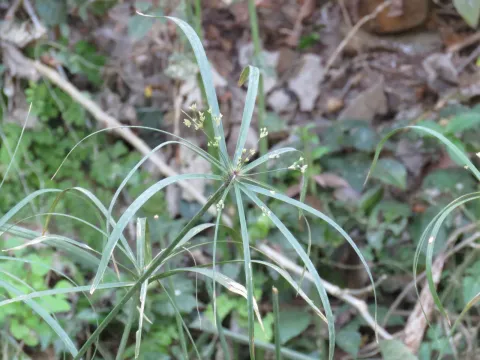
Cyperus canus
Cyperus canus
Cyperus canus is a robust perennial herb belonging to the Cyperaceae family. It is primarily found in wetland ecosystems, including riverbanks and marshes across tropical and subtropical regions of the Americas, where it thrives in waterlogged substrates.
What the section contains
Cyperus canus
The plant features long, erect, and smooth stems that emerge from a strong rhizome system. It is highly adaptable to moist soil conditions and requires significant moisture levels to maintain its physiological functions and high biomass production.
Growth is optimized in environments with high humidity and consistent solar radiation. The plant prefers soils rich in organic matter, which provide the necessary nutrients for its rapid development throughout the growing season.
Agricultural management of Cyperus canus focuses on maintaining adequate water levels in the plantation. It is essential to manage the soil pH levels to ensure optimal growth and prevent nutrient deficiencies that could impair fiber quality.
Early-stage weed control is necessary to prevent competition. Once the plants are established, they create dense colonies that naturally suppress unwanted vegetation, making the crop relatively self-sustaining in terms of space management.
The primary economic value of Cyperus canus lies in its use as a source of fiber for weaving. The stems are valued for their flexibility, tensile strength, and durability, making them an ideal material for crafting baskets, mats, and various artisanal goods.
Harvesting is typically done manually before the flowering stage. This timing is crucial to ensure that the stems contain the optimal balance of moisture and cellulose, which provides the necessary pliability for complex weaving techniques.
Post-harvest processing involves sorting the stems and drying them in controlled, shaded conditions. Proper drying prevents fungal growth and ensures that the fibers do not become brittle, maintaining the quality required for high-end craft work.
The fibers of Cyperus canus are notably resistant to moisture, which enhances the longevity of finished products. This property makes the plant a preferred material for household items that are exposed to humid conditions over long periods.
Beyond traditional crafts, Cyperus canus offers potential for industrial applications, including sustainable packaging and natural stuffing materials. Its ability to regrow after harvesting makes it a sustainable resource for local agricultural economies.