
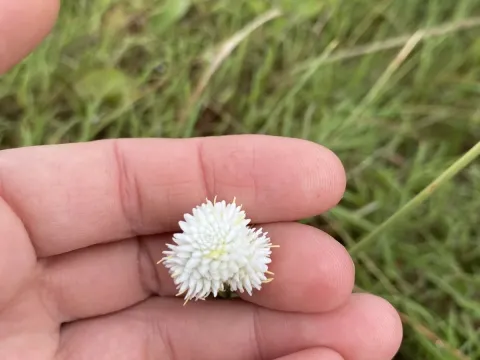
Cyperus ascocapensis
Cyperus ascocapensis
Cyperus ascocapensis is a member of the Cyperaceae family. As a perennial herbaceous plant, it is typically propagated through rhizome division, ensuring consistency in the plant population for commercial production fields.
What the section contains
Cyperus ascocapensis
Planting is optimally scheduled for the spring season when soil temperatures reach a stable range of 12–15 degrees Celsius. Ensuring adequate irrigation during the establishment phase is essential for root system development and successful crop adaptation to the specific field site.
The plant thrives in waterlogged or high-moisture environments. It requires nutrient-rich, silty, or peaty soils with a neutral or slightly acidic pH level to maintain optimal growth rates throughout the vegetative season.
Climatically, Cyperus ascocapensis is adapted to tropical and subtropical zones. It demands consistent heat, with ideal growth temperatures ranging between 20 and 30 degrees Celsius, and lacks tolerance for frost or prolonged drought conditions.
Host-plant utility includes the harvesting of aerial biomass for fiber production, which serves as a raw material for various industrial applications. Additionally, the plant is valued for its ability to stabilize shorelines and improve the structure of wet soils.
Fungal diseases related to excessive moisture represent the primary threat to this crop. Rust and foliage spots are common occurrences if air circulation within the planting area is poor or if the soil drainage is inadequate.
Pest management focuses on addressing insects that target the root zone and stems. Monitoring soil moisture levels and maintaining balanced plant density are the most effective strategies for preventing widespread damage to the plantation.