
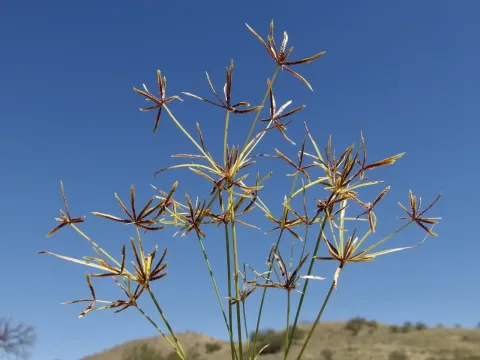
Cyperus amabilis
Cyperus amabilis
Cyperus amabilis belongs to the Cyperaceae family, which is widely distributed across tropical and subtropical regions. It is a herbaceous plant adapted to wetlands, riverbanks, and humid meadows where high soil moisture is consistent throughout the growing season.
What the section contains
Cyperus amabilis
The morphology of the plant features distinct triangular stems and narrow, linear leaves radiating from the base. The inflorescences are characterized by complex, spikelet-bearing umbels, often displaying a golden or brownish hue that provides a unique aesthetic to the landscape.
For optimal growth, this crop requires soils that are rich in organic matter and possess high water-holding capacity. It thrives best in well-aerated but moist soil environments with a slightly acidic to neutral pH balance, avoiding compacted or sandy soils that drain too quickly.
Climate requirements for Cyperus amabilis include high ambient temperatures, ideally ranging between 20°C and 30°C. As a tropical species, it lacks tolerance for frost, necessitating cultivation in regions with stable, warm conditions and high solar exposure to maintain metabolic rates.
Agronomic management focuses on irrigation control and weed suppression. Given its root structure, the plant requires adequate space to develop. Strategic fertilization with balanced NPK ratios can significantly enhance vegetative mass and overall stand density.
Common threats to Cyperus amabilis include fungal pathogens such as rusts and root rots, which are primarily exacerbated by stagnant water or poor air circulation. Overcrowding of plants increases the humidity in the canopy, making them more susceptible to these conditions.
Pest pressures often involve soil-borne insects, including larvae that feed on roots, as well as sap-sucking pests like aphids and mealybugs. These insects can reduce the vigor of the plant, leading to stunted growth or increased vulnerability to secondary infections.
Disease management strategies emphasize cultural practices, such as maintaining optimal planting density to promote airflow. Sanitation is critical; removing diseased foliage prevents the build-up of fungal spores in the growing environment.
Integrated Pest Management (IPM) is recommended to address pest outbreaks. This includes the use of beneficial insects or organic pesticides, which target specific pests while preserving the local biodiversity surrounding the crop fields.
Regular inspections are essential for early detection of stress signs. Providing proper nutrition and managing water stress are the most effective ways to ensure the longevity and health of a Cyperus amabilis stand.