
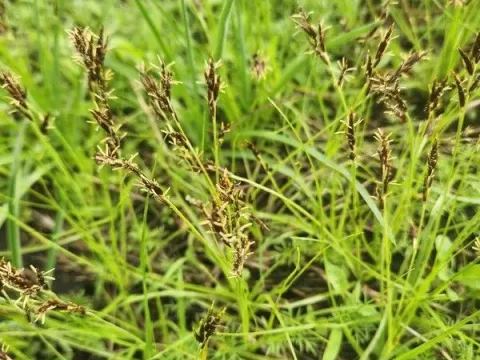
Cyperus blysmoides
Cyperus blysmoides
Cyperus blysmoides is a perennial herbaceous plant belonging to the Cyperaceae family. In an agronomic context, this species serves as a valuable component of natural grasslands and pastures, particularly in arid and semi-arid regions where other forage plants struggle to persist.
What the section contains
Cyperus blysmoides
The plant exhibits significant ecological plasticity regarding soil moisture. It is frequently found in saline or periodically waterlogged areas, demonstrating high tolerance to soil salinity and fluctuating hydrological conditions typical of its native distribution range.
Optimal growth requires high light intensity; the species is highly sensitive to shading, which significantly reduces biomass production and tiller formation. Therefore, it is best suited for open, unobstructed landscapes where solar radiation is abundant throughout the growing season.
The root system of Cyperus blysmoides is robust, allowing the plant to tap into deep soil moisture reserves. This physiological adaptation is crucial for surviving dry spells, making the species a resilient candidate for grazing land rehabilitation in challenging environments.
For best results in cultivated settings, well-aerated sandy or loamy soils are preferred. Improving soil drainage and preventing heavy compaction are essential management practices that promote healthy plant development and long-term sustainability of the stand.
The primary agricultural use of Cyperus blysmoides is as forage for livestock. In many dryland regions, it constitutes a vital part of the seasonal grazing cycle, providing essential nutrients during the early spring and summer months when biomass availability is otherwise low.
The yield of green matter is highly dependent on grazing intensity and the environmental conditions of the year. When managed properly, the plant shows a high capacity for regrowth after grazing or cutting, ensuring a consistent feed supply for both small and large ruminants.
Nutritional value varies with plant maturity. Harvesting or grazing during the vegetative phase ensures higher protein content and digestibility, whereas mature plants tend to have higher fiber content, which may reduce the overall efficiency of energy intake for livestock.
Beyond its value as fodder, the plant plays a crucial role in soil conservation. Its dense root network binds soil particles effectively, which helps in preventing wind and water erosion, especially in reclaimed landscapes or degraded pastures where the topsoil is unstable.
Ongoing research into its yield potential suggests that with strategic management—such as rotational grazing and moisture conservation—this sedge can significantly contribute to the overall stability of pasture productivity in arid zones.
Cyperus blysmoides is inherently resistant to many common fungal and bacterial pathogens that affect cultivated cereal crops. Its specialized adaptation to harsh environments often provides a natural defense against widespread disease outbreaks in the field.
Potential threats include specialized herbivores and insect pests, particularly those that target reproductive tissues or young shoots. While damage is usually localized, large-scale infestations can occur under specific climatic conditions, requiring monitoring and prompt intervention.
Root rot is a risk factor in poorly drained soils where water stagnation occurs for extended periods. This condition weakens the plant, resulting in chlorosis and stunted growth; thus, maintaining adequate soil aeration is the most effective preventative measure.
Competition from aggressive, fast-growing weeds can hamper development during the seedling stage. Implementing timely weed management or adjusting grazing pressure helps ensure that Cyperus blysmoides retains its competitive edge and remains the dominant species in the pasture.
The most significant threat to its population is overgrazing. Sustainable management practices, including periods of recovery and rest for the land, are essential to maintain the health of the stand and prevent the invasion of less palatable or unproductive weed species.