


Reference · Crops
Sea clubrush
Bolboschoenus
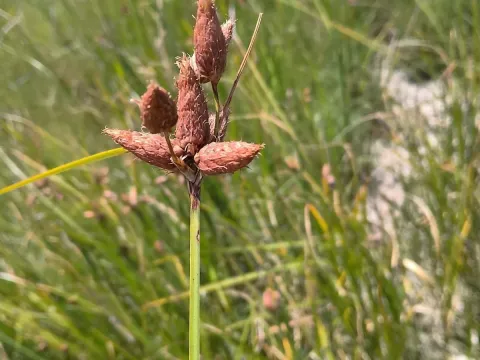
Sea clubrush (Bolboschoenus) is a perennial herbaceous plant belonging to the Cyperaceae family. It is widely recognized for its ability to thrive in wetland environments and is frequently managed as a problematic weed in irrigated agricultural systems.
7
items
What the section contains
Marketplace
Products in this section · 11


NOMINI 400 K.C., + PAR A-100
F. Kumiay Kemi Kal Industry Co., Ltd., Japan
Herbicides
0
0
No offers
—
Details


Sea clubrush
The plant is native to temperate and subtropical regions across the globe. It is commonly found in marshes, along riverbanks, and in rice paddies, where it benefits from high water availability and nutrient-rich soil conditions.
A distinctive feature of this plant is its rhizome system, which produces specialized tubers. These tubers store carbohydrates and allow the plant to survive adverse conditions, including significant water level fluctuations and prolonged inundation.
The growth requirements focus primarily on soil moisture. Sea clubrush prefers silt-heavy or clay soils that provide stability for its extensive root system. High sunlight exposure is essential for maximizing the photosynthetic activity of its tall, triangular stems.
In terms of agricultural and ecological use, the tubers are a high-energy food source for various waterfowl species. Additionally, the plant contributes to stabilizing moist soil surfaces and acts as a filter in certain aquatic filtration projects.
Fungal pathogens such as rusts and leaf-spot diseases are common threats to Sea clubrush. While these infections may damage the foliage and reduce aesthetic appeal, they rarely kill the plant due to the resilience of the underground tubers.
Insect pests include specialized plant-feeders that may target the stems or reproductive organs of the plant. However, these interactions are generally considered part of the natural balance rather than a threat to the plant's survival.
In an agricultural setting, the main challenge is the plant's aggressive nature and difficulty of eradication. The dormant tubers in the soil can remain viable for several seasons, making mechanical cultivation methods less effective.
Effective management strategies typically involve a combination of chemical herbicides and water-level control. Precise timing of interventions is crucial to prevent the plant from re-establishing itself in vulnerable crop fields.
Understanding the role of Sea clubrush in the wider landscape is essential. It provides critical habitat for various aquatic animals, and integrated management plans are often designed to balance agricultural productivity with environmental conservation.