
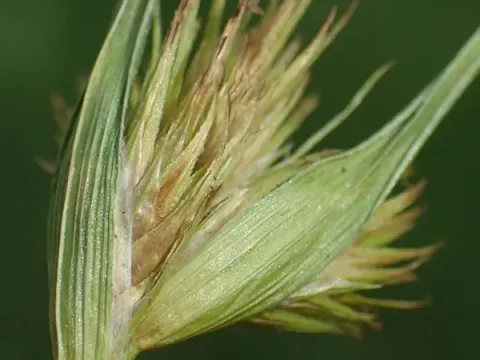
Carex polycephala
Carex polycephala
Carex polycephala is a perennial herbaceous plant belonging to the Cyperaceae family. Originating from East Asia, this species is well-adapted to habitats characterized by high moisture levels, including meadows, marshes, and riparian zones.
What the section contains
Carex polycephala
The plant is defined by its dense tufted growth habit and stiff, narrow leaves. It has evolved to thrive in soil conditions that are often saturated, making it a robust candidate for areas where traditional agricultural crops struggle due to anaerobic soil conditions.
Botanically, it features a complex inflorescence consisting of multiple spikes, which is the primary identifier for the species. The root system is dense and fibrous, providing excellent soil binding capabilities that help maintain structural integrity in wet landscapes.
Environmental requirements include moist, organic-rich soils. While the plant can tolerate varying pH levels, it performs best in neutral to slightly acidic soils where nutrient cycling is efficient and consistent moisture supply is guaranteed throughout the growing season.
Climatic adaptability allows the plant to flourish in regions with temperate to subtropical climates. It is particularly responsive to high levels of humidity and performs optimally when provided with sufficient light exposure despite its wetland preferences.
The primary agricultural use of Carex polycephala is as a source of biomass. In some pastoral systems, it is harvested as a roughage component, providing necessary fiber in the diet of ruminants when properly cured or processed.
Yield potential is largely contingent on soil fertility and site management. In productive stands, the plant demonstrates rapid regrowth after harvesting, allowing for multiple cutting cycles in a single growing season under intensive management practices.
Beyond its value as fodder, the plant is a critical tool for soil conservation and bio-remediation. Its root system is exceptionally effective at preventing erosion along watercourses and in flood-prone fields, stabilizing the soil profile and reducing nutrient leaching.
Technological utilization of the biomass extends to the production of organic materials. The high cellulose content of the stems makes it a potential candidate for use in specialized matting, erosion control fabrics, or as a supplement in compost production.
Harvesting strategies should prioritize the early flowering stage to maximize nutrient quality. Using appropriate machinery that minimizes ground compaction is essential to ensure the longevity of the stand and maintain future yield consistency.
Fungal pathogens remain the primary threat to Carex polycephala, particularly during seasons marked by excessive rainfall and lack of air circulation. Rust diseases and leaf spot fungi are commonly observed in dense, poorly managed stands.
Insect pests include various species of sedge-feeding larvae that can compromise leaf integrity or damage the growing point of the plant. Monitoring for these pests is essential, especially in high-density plantations where infestation can spread rapidly.
Preventative measures involve maintaining optimal plant spacing and ensuring the field does not remain stagnant. Proper drainage control, even in wetland crops, is crucial to prevent the accumulation of pathogens in the water column surrounding the roots.
Integrated Pest Management (IPM) is recommended to mitigate the impact of disease. This includes selecting resistant cultivars where available and implementing rotation or grazing management to interrupt the life cycles of specific agricultural pests.
Proper sanitation, including the removal of dead crop residue at the end of the season, reduces the overwintering capacity of pests and pathogens. This proactive approach helps secure the health of the stand and ensures long-term viability.