
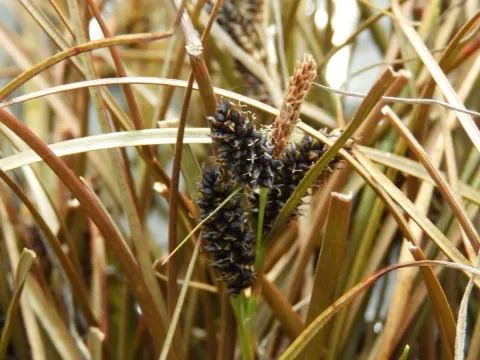
Carex petriei
Carex petriei
Carex petriei is propagated through seeds or division of established clumps. Sowing in spring is recommended, ensuring the soil temperature is adequate for germination, typically around 15 to 18 degrees Celsius.
What the section contains
Carex petriei
Seeds should be surface-sown or covered with a very thin layer of substrate. Maintaining high humidity is crucial during the germination phase to ensure a high success rate for new seedlings.
When propagating by division, the process should be completed in early spring, just before the new growth cycle begins. This timing allows the roots to settle effectively before the summer heat arrives.
Young plants grown from seed should be hardened off in a nursery setting before final transplanting. This practice significantly improves survival rates and overall plant vigor in the field.
Spacing during planting should be adjusted according to the desired density, typically providing enough room for the characteristic arching habit of the foliage to develop fully.
This grass species thrives in well-drained, fertile, and slightly acidic soils. Excellent drainage is non-negotiable to prevent root rot, as the plant does not tolerate waterlogged conditions.
Regarding light exposure, the plant prefers full sun to light shade. In regions with extremely intense sunlight, partial shade helps preserve the unique copper-bronze color of the foliage.
Regular but controlled watering is necessary during the growing season. While the sedge exhibits some drought tolerance once established, consistent moisture is required to keep the foliage looking its best.
Low-maintenance care includes light spring fertilization. A balanced slow-release fertilizer is usually sufficient to support healthy growth without causing leggy or weak stems.
Winter protection might be necessary in colder climates to prevent crown damage. Mulching the base of the plant provides adequate insulation against sudden temperature drops.
Carex petriei is generally considered robust, but it can be susceptible to fungal issues if managed improperly. Poor soil drainage is the most frequent trigger for root-related health problems.
Slugs and snails are the primary pests that may attack young, tender foliage. Gardeners should implement organic barrier methods to protect young specimens from these mollusks.
Root rot, appearing as a darkening and softening of the base, occurs when the plant is kept too wet. Immediate action involves drying out the soil and improving drainage around the affected area.
Aphids can occasionally infest the flower spikes during hot, dry spells. If detected, a simple spray of water or mild insecticidal soap is usually sufficient to manage the population.
Good air circulation is essential for the health of the clumps. Removing old, dead leaves in the spring helps prevent the buildup of fungal spores and pests within the foliage.