
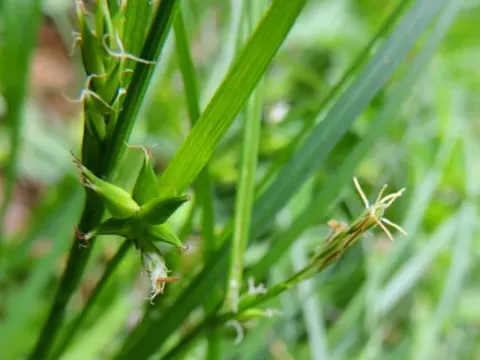
Carex parciflora
Carex parciflora
Carex parciflora is a member of the Cyperaceae family, commonly recognized as a perennial sedge adapted to specific wetland ecosystems. It is primarily found in regions characterized by consistent soil moisture and cool climatic conditions.
What the section contains
Carex parciflora
Botanically, this species is defined by its tussock-forming habit and its morphological adaptations to nutrient-poor, waterlogged substrates. The leaves are typically slender, and the inflorescence consists of sparsely arranged spikelets, which gives the plant its distinct appearance.
The plant requires environments with high water table levels and acidic soil reactions. It cannot thrive in well-drained, dry agricultural soils, which makes it unsuitable for standard crop rotation but vital for maintaining hydrological stability in wild meadows.
From an agricultural management perspective, Carex parciflora serves as a component of the native vegetation in pastures and natural haylands. It contributes to the overall biomass production in regions where traditional cereal or grass crops would fail due to excessive moisture.
While not a traditional industrial crop, its presence is a key indicator of specific ecological zones. Agronomic research focuses on its tolerance to varying water levels and its potential role in ecological restoration projects within degraded wetlands.