
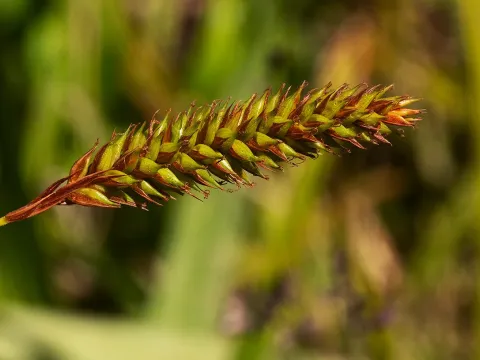
Carex petitiana
Carex petitiana
Carex petitiana, like other members of the Cyperaceae family, is propagated mainly through vegetative division of the root system during early spring or autumn.
What the section contains
Carex petitiana
Seed propagation requires stratification, so planting in a greenhouse is recommended in early March to ensure the seedlings are robust enough for field transplanting.
Soil preparation involves deep plowing and incorporating organic matter to improve aeration and moisture retention, which are vital for this species.
When dividing the clumps, it is essential to ensure that each section has a healthy root portion to guarantee successful establishment in the new location.
Seedlings should be planted at a proper depth in moist soil, maintaining sufficient spacing to prevent overcrowding and promote healthy lateral growth.
The plant thrives in moist soil conditions and prefers sites that are rich in organic nutrients, which support the development of a lush, dense foliage.
Carex petitiana performs best in neutral to slightly acidic soils that are well-drained but capable of maintaining constant moisture levels.
A temperate climate with consistent rainfall throughout the growing season is ideal for maximizing the vegetative development of this ornamental crop.
The plant is known for its cold hardiness, although mulching the root zone is advisable in regions with extreme winter temperatures and no snow cover.
While tolerant of partial shade, the species performs optimally in full sun to light shade, which maintains the intensity of its natural leaf pigmentation.
The economic value of this crop is primarily decorative, focused on creating dense ground covers or structural elements for landscape design.
Yield, in terms of biomass production, is influenced by the density of the initial planting and the availability of nutrients during the peak growth phase.
As a clump-forming plant, its coverage area increases significantly over time, allowing for a substantial increase in biomass per square meter after several years.
Nursery production efficiency is measured by the number of high-quality divisions or seedlings produced per square meter of intensive management.
Maximum productivity is typically achieved by the third season, provided that irrigation and seasonal fertilization schedules are strictly maintained.
Common pests affecting Carex petitiana include aphids and spider mites, which can become problematic during prolonged periods of drought and heat.
Poor soil drainage and excessive moisture can lead to root rot issues, typically caused by soil-borne fungal pathogens that thrive in stagnant water.
Rust diseases are common among sedges and can manifest as reddish spots on leaves, which significantly degrades the aesthetic value of the planting.
Integrated pest management, including prophylactic fungicide applications and careful irrigation monitoring, is crucial for maintaining crop health.
Sanitation is a critical protective measure, involving the removal of dead leaf litter where pests and fungal spores may overwinter successfully.
Harvesting for propagation involves digging and dividing mature clumps, which is best executed when temperatures are mild to prevent moisture loss.
Maintenance trimming is typically conducted in early spring, just before the new growth appears, to refresh the appearance of the foliage.
If harvesting for seeds, the inflorescences should be cut before they are fully mature to prevent the natural dispersal of seeds on the field.
All harvesting tools must be cleaned and disinfected regularly to prevent the spread of plant pathogens across different sections of the field.
Harvested material should be kept in a cool, moist environment if not immediately replanted, to ensure the long-term viability of the root systems.