
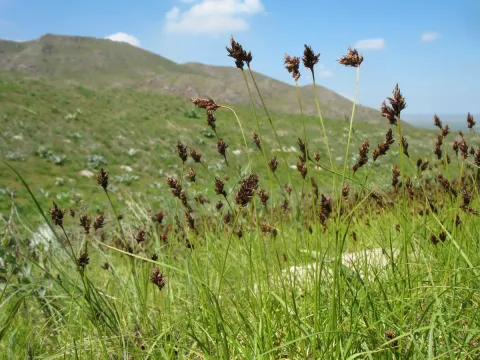
Carex pachystylis
Carex pachystylis
Carex pachystylis, commonly known as a type of desert sedge, is a perennial herbaceous plant belonging to the Cyperaceae family. It is an essential species for maintaining the ecological balance in arid and semi-arid zones.
What the section contains
Carex pachystylis
This species is highly adapted to extreme environmental conditions. It primarily utilizes winter and spring precipitation to complete its life cycle before the onset of the severe summer drought.
It thrives in sandy and light-textured soils. A deep and robust root system allows the plant to survive in regions where moisture availability is limited and highly unpredictable throughout the year.
The climate requirements include a high tolerance for temperature extremes. The plant acts as a natural stabilizer for soils in desert landscapes, preventing wind erosion and surface degradation.
In agriculture, Carex pachystylis serves as a vital forage resource. It provides high-quality grazing for livestock, particularly sheep and camels, during the early spring growth phase.
Overgrazing remains the primary threat to Carex pachystylis pastures. Excessive livestock pressure reduces the plant's ability to regenerate and store energy in its subterranean rhizomes.
While the plant is hardy, it can be susceptible to various fungal pathogens when the ecosystem is destabilized by improper management or unnatural moisture levels.
Insect pests can damage the aerial biomass, although large-scale outbreaks are relatively rare under natural conditions compared to intensive cultivated crops.
Soil erosion caused by the destruction of the natural cover is the main factor leading to the decline of productive stands of this sedge.
Sustainable pasture management, including regulated stocking rates and rotational grazing, is critical for preserving the productivity of areas dominated by this valuable sedge species.