
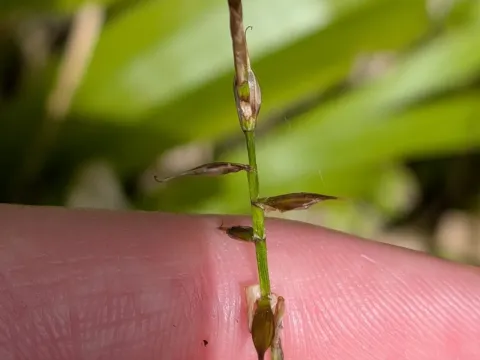
Carex peregrina
Carex peregrina
Carex peregrina belongs to the Cyperaceae family and is typically propagated through vegetative division or seeds in the early spring months.
What the section contains
Carex peregrina
When sowing seeds, it is essential to ensure that the soil temperature has reached a consistent range between 8 and 10 degrees Celsius for optimal germination rates.
Vegetative propagation via rhizome division is generally more reliable, as it establishes a robust root system more quickly in the field environment.
Seeds require a stratification period of approximately 30 to 45 days in cool, moist conditions to overcome dormancy and ensure uniform seedling emergence.
The planting density should be adjusted based on the specific end-use, ranging from 6 to 9 plants per square meter to allow for proper foliage development.
This species thrives in moist to waterlogged soil conditions, reflecting its ecological adaptation to wetland environments and high water tables.
The plant prefers slightly acidic to neutral soil textures that are rich in organic matter, supporting consistent nutrient uptake throughout the growth cycle.
Sunlight exposure is a critical factor for productivity, and fields should be chosen in open areas to avoid the inhibitory effects of excessive shade.
Carex peregrina demonstrates remarkable cold hardiness, allowing it to survive harsh winter conditions without suffering significant tissue damage.
Maintaining a stable water supply is vital, as sudden drought periods can severely stress the plants and diminish the accumulation of green biomass.
The crop is utilized primarily for forage purposes in areas where conventional crops may struggle, providing a sustainable source of plant material.
Productivity levels are closely tied to the management of soil moisture and the strategic application of fertilizers, particularly those rich in nitrogen.
Beyond its value as fodder, the species is recognized for its role in land restoration, particularly in projects focusing on soil stabilization and water filtration.
Peak nutritional content is found in the foliage just prior to the flowering stage, making timing the most important factor in maximizing quality.
Ongoing research continues to evaluate the potential of Carex peregrina for broader industrial applications, including the production of organic mulches.
The primary diseases affecting this crop include fungal infections such as rust, which tend to proliferate in conditions of high humidity and poor air circulation.
Various insects and aphids pose a threat to the vegetative parts of the plant, potentially causing significant damage to the leaf structure if left unchecked.
Proactive disease management involves maintaining appropriate spacing between plants and ensuring that fields are kept free of decaying vegetative waste.
Integrated pest management strategies should be prioritized, focusing on early detection and the use of biological control agents where applicable.
Healthy plants with access to balanced nutrition are generally more resilient and show lower susceptibility to minor pest infestations throughout the season.
Harvesting should be conducted mechanically before the onset of seed production to capture the highest density of nutrients within the stems and leaves.
Standard mowing equipment is effective, provided the cutting height is calibrated to protect the basal crown and allow for quick regrowth.
Field drying is a standard post-harvest practice, where the biomass is left in windrows to reduce moisture content before being baled or stored.
Adequate ventilation in storage facilities is paramount to prevent the development of fungi and ensure the preservation of the material through the winter.
Proper harvest logistics ensure that the quality of the raw material remains high, allowing for its efficient distribution and utilization in livestock sectors.